
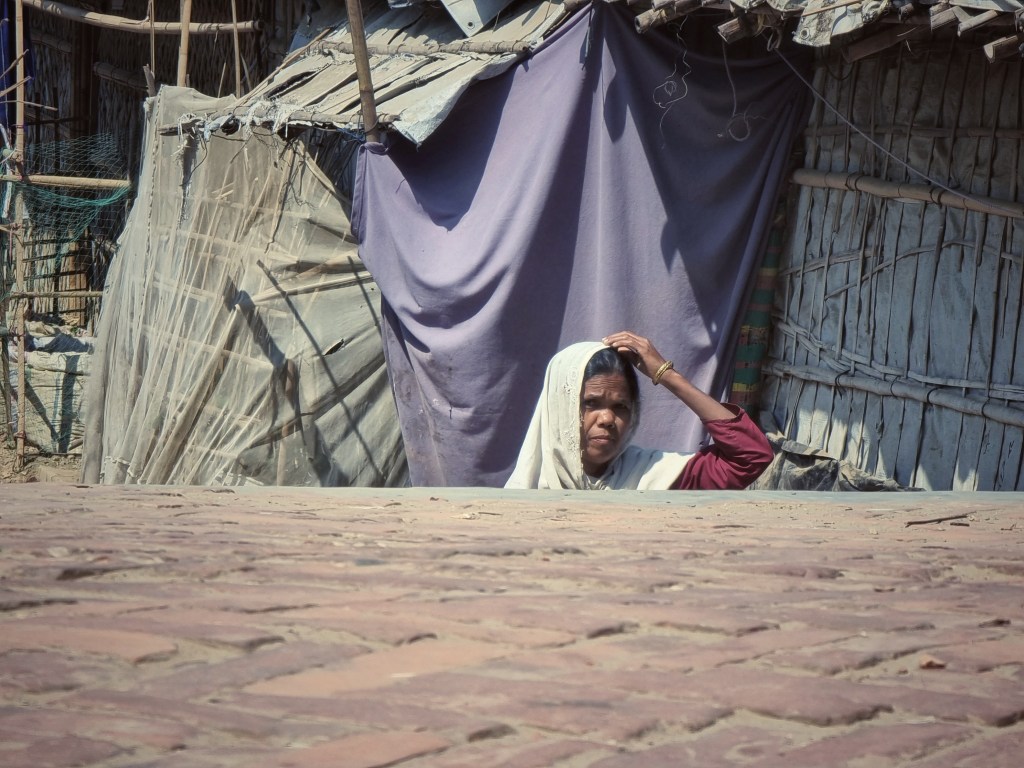
The UN World Food Programme (WFP) has issued a stark warning of a looming funding crisis that could deprive over one million Rohingya refugees in Bangladesh of their only source of sustenance.
“The Rohingya refugee crisis remains one of the world’s largest and most protracted. Rohingya refugees in Bangladesh are entirely dependent on humanitarian assistance for their survival,” Dom Scalpelli, WFP Country Director in Bangladesh, said.
As Scalpelli solemnly stated, any reduction in food assistance will not only deepen hunger but also force the refugees to resort to desperate measures to survive.
On March 7, WFP said in a press release that in recent months, new waves of Rohingya refugees, potentially exceeding 100,000 people, have crossed into Bangladesh, fleeing conflict in neighboring Myanmar.
The continued influx of Rohingya seeking safety places an even more significant strain on already overstretched resources.
“Now more than ever, the Rohingya need us to stand with them. These families have nowhere else to go, and WFP’s food aid is the difference between survival and despair. Immediate support is urgently needed to prevent this crisis from escalating further,” added Scalpelli.
WFP said that without urgent new funding, monthly rations must be halved to US$6 per person, down from US$12.50 per person—just as refugees prepare to observe Eid, marking the end of Ramadan.
All Rohingya receive vouchers, which they can redeem for food at designated retailers in the camps. To sustain full rations, WFP urgently needs US$15 million for April and US$81 million until the end of 2025.
WFP has already begun communicating with the Rohingya community about the potential ration cuts.
In 2023, severe funding cuts forced WFP to reduce rations from US$12 to US$8 per person per month, leading to a decline in food consumption and elevated malnutrition rates among children, surpassing 15%.
While rations were later increased due to new funding, the WFP emphasized that ongoing cuts create more excellent protection and security risks for a population lacking legal status and freedom of movement.
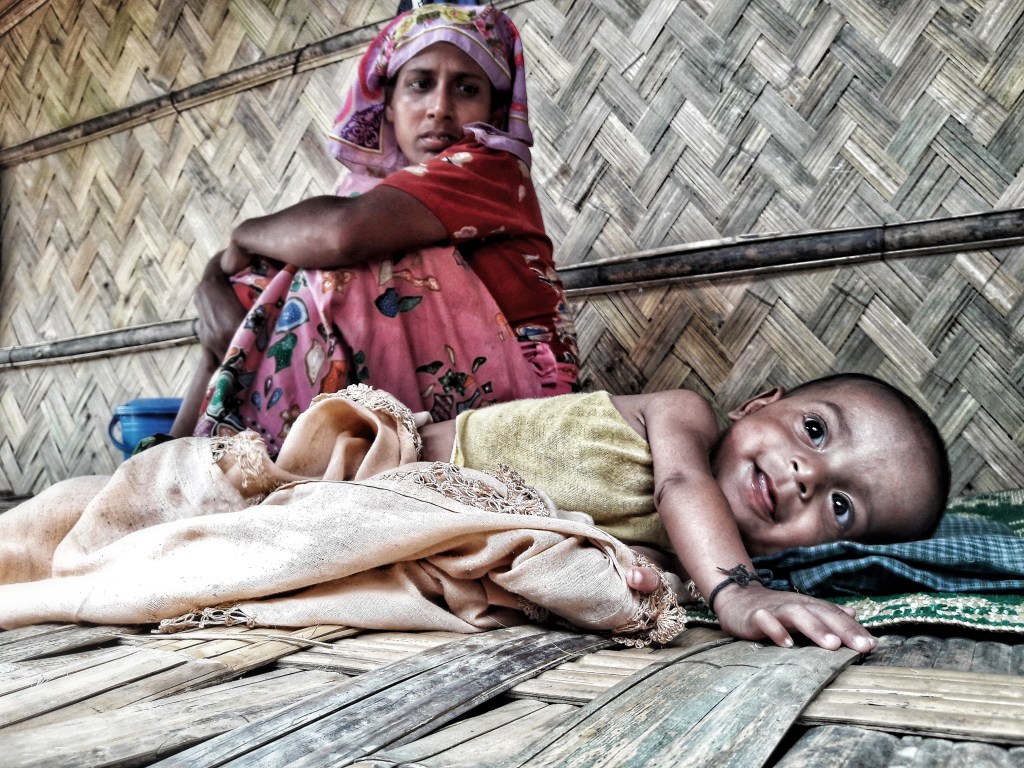
On March 5, Daniel P. Sullivan, Director for Africa, Asia, and the Middle East at Refugees International (RI), warned that the drastic cut in daily food supplies would severely impact over a million refugees and threaten the health and safety of the world’s largest refugee settlement.
He mentioned that RI recently visited the Rohingya camps and heard widespread trepidation about the challenges arising from aid cuts even before the ration announcement.
“We know that observable decreases in food consumption marked temporary reductions in the past by a third, increases in malnutrition, and related increases in gender-based violence and reductions in attendance to learning centers for children,” Daniel P. Sullivan said.
“The government of Bangladesh, for its part, must allow livelihood opportunities for refugees and work with the private sector to explore opportunities to support the self-resilience of Rohingya refugees,” he added.
Lucky Karim, a Refugees International Fellow and human rights advocate who once lived in a camp, said the situation would push people to risk their lives by trying to escape to nearby countries.
It will increase human trafficking and may even lead some to consider going back to Myanmar, even though it remains unsafe and unchanged.
As a member of the Rohingya community, Hujjat Ullah expressed, “This food cut directly affects my community, which is already grappling with insufficient shelter, water, and other resources.”
Rohingya community member Hujjat Ullah told Rl, “The amount of food we receive is like a lifeline for survival, yet it is already insufficient.”
“Our community has a saying: ‘Fet cánti, Duniya cánti,’ which means, ‘If the stomach is at peace, the whole world is at peace.’ I hope the UN will reconsider its decision.”
 One-man Newsroom
Leave a comment