

In front of the Grameen Bank head office in Dhaka, Bangladesh, a large photograph of Nobel Peace Prize laureate Professor Muhammad Yunus—a pioneer of microfinance—is displayed alongside a local female entrepreneur selling pitha, a traditional rice cake. Although it remains unclear whether her business relies on microcredit, her independent venture highlights the growing trend of grassroots entrepreneurship. Captured in January during a notably challenging period for Yunus as head of government, the image offers an international perspective on community empowerment and the balance between global innovation and local self-reliance.
📷 Sharif Khiam Ahmed
Newsman, Bangladesh—Chief Adviser Professor Dr. Muhammad Yunus is poised to embark on a momentous visit to China from March 26 to 29, 2025. This journey will mark a significant milestone in Bangladesh’s diplomatic history and underscore Dhaka’s intent to bolster bilateral relations, address pressing regional issues, and navigate the intricate web of international geopolitics.
Agenda and Key Engagements
Dr. Yunus’s itinerary includes participating in the Boao Forum for Asia (BFA) Annual Conference 2025, often called the “Asian Davos,” scheduled from March 25 to 28 in Boao, Hainan Province. He is slated to address the inaugural plenary session on March 27, focusing on Asia’s evolving role in global affairs (Firstpost).
A cornerstone of the visit is the bilateral meeting with Chinese President Xi Jinping on March 28 in Beijing. This engagement is anticipated to elevate Bangladesh-China relations, with discussions likely centering on economic collaborations, infrastructure development, and regional security concerns (Dhaka Tribune).
Bangladesh-China Relations in the Geopolitical Context
Bangladesh’s strategic location has attracted the attention of major global powers, each with vested interests in the Bay of Bengal region.
China’s Belt and Road Initiative (BRI) positions Bangladesh as a crucial partner in enhancing regional connectivity. This visit is expected to further integrate Bangladesh into the BRI framework, potentially unlocking avenues for substantial infrastructure investments and economic growth (Springer).
However, India and the United States are keenly observing this burgeoning relationship. Both nations have historically maintained robust ties with Bangladesh and are attentive to Dhaka’s deepening engagement with Beijing.
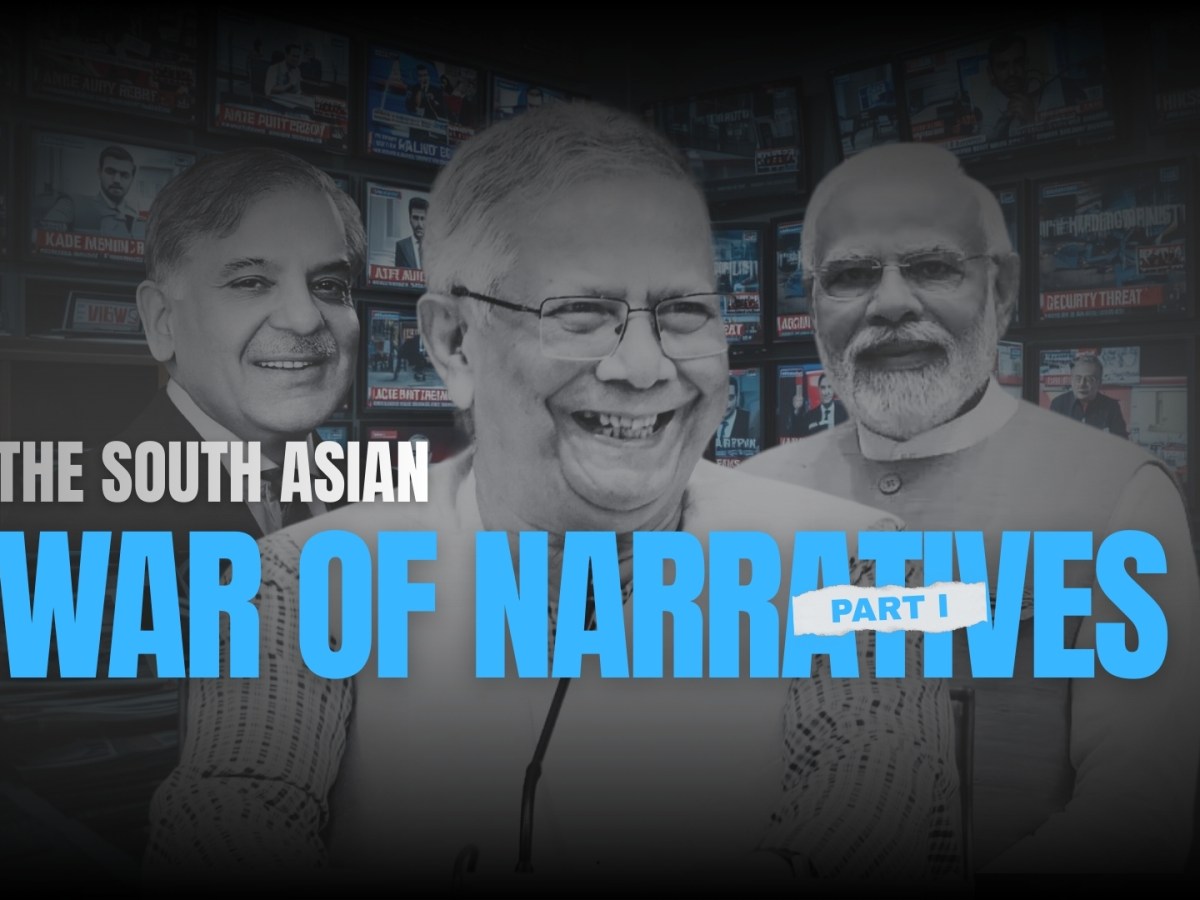
India, sharing extensive borders and cultural ties, views Bangladesh’s foreign relations through the prism of regional security and economic interests.
The United States, emphasizing democratic values and financial partnerships, recently committed an additional $202 million in aid to bolster governance and economic opportunities in Bangladesh (Reuters).
The Rohingya Crisis: A Focal Point
A critical issue likely to feature in discussions is the Rohingya refugee crisis. Bangladesh currently shelters over 1.3 million Rohingya refugees, a humanitarian challenge with significant socio-economic implications.
The international community’s response has been mixed, with recent reductions in aid prompting concerns.
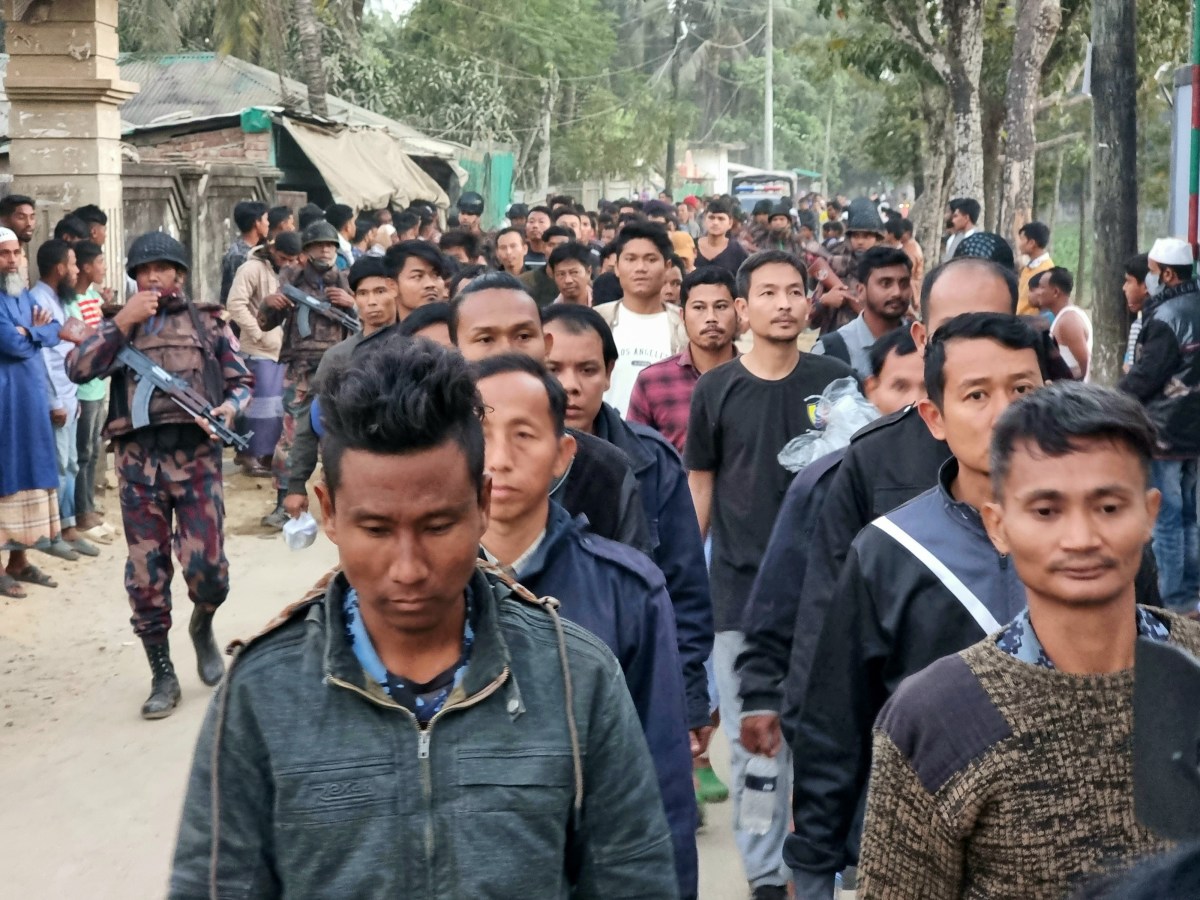
Dhaka and Beijing Advocate the AA’s Role in Rakhine Peace
The rebels became crucial for the Rohingya’s repatriation.

Notably, UN Secretary-General António Guterres, during his recent visit to the refugee camps in Cox’s Bazar, labeled the aid cuts as “a crime,” urging global stakeholders to renew their commitments (AP News).
China’s influence over Myanmar positions it uniquely to mediate a sustainable resolution to the crisis. Dr. Yunus’s discussions with President Xi are expected to explore avenues where Beijing can leverage its sway to facilitate the safe and dignified repatriation of the Rohingya population (Springer).
Navigating International Dynamics
The backdrop of this visit includes strained relations between Bangladesh and India, coupled with the United States’ evolving foreign aid policies. An internal email from a US official suggested a proposal to phase out aid for Rohingya refugees, reflecting a shift in priorities (Reuters).
These dynamics underscore the importance of Bangladesh diversifying its diplomatic engagements to safeguard national interests and ensure a balanced approach to international relations.

Expert Analysis and Strategic Implications
Dr. Rohan Mukherjee, a South Asian foreign policy expert at Yale University, remarked in an interview with Foreign Affairs, “Bangladesh is at a crossroads. Strengthening ties with China offers economic benefits, but Dhaka must balance its partnerships with India and the US to avoid over-dependence.”
Michael Kugelman, a senior fellow at the Wilson Center, noted in an analysis for The Diplomat, “The Rohingya crisis remains unresolved, and Bangladesh needs China’s leverage over Myanmar. However, past promises have seen limited action.”
China’s Stance on Bangladesh’s Leadership and Dr. Yunus
Amid growing scrutiny of Bangladesh’s governance, Chinese Ambassador to Bangladesh Yao Wen recently stated that China respects Bangladesh’s internal affairs and sees Dr. Yunus as a key figure in fostering bilateral cooperation.
In an interview with The Daily Star, he noted, “China values its long-standing partnership with Bangladesh and looks forward to continued collaboration under Dr. Yunus’s leadership” (The Daily Star).
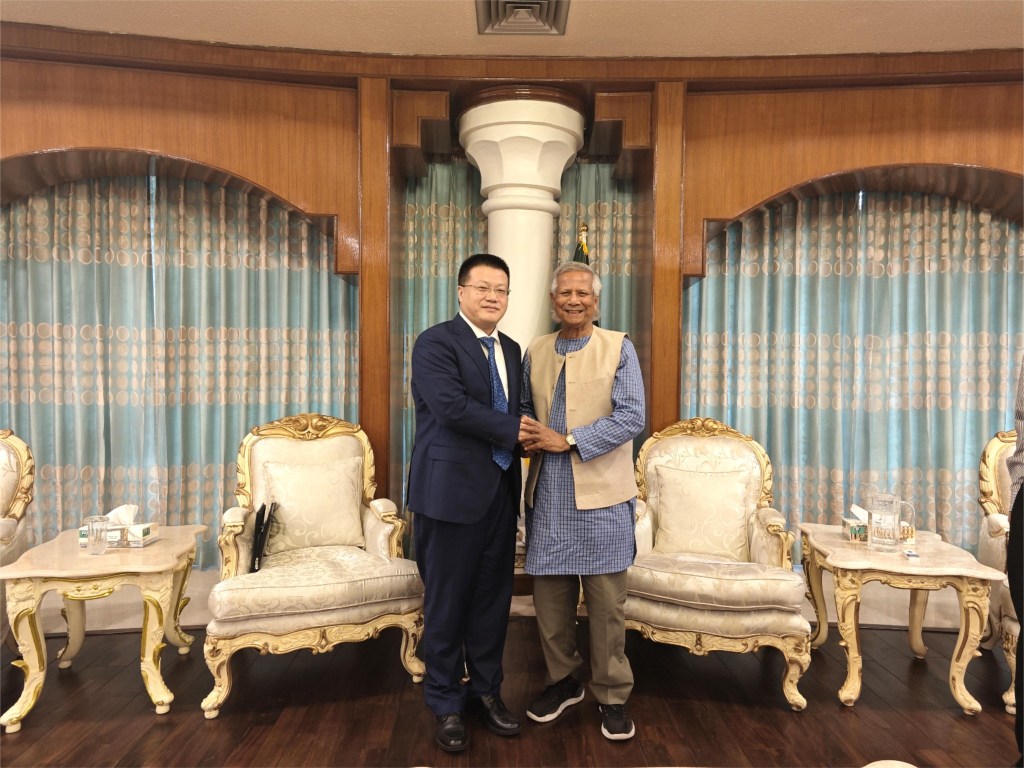
Additionally, Chinese state-run media outlet Global Times commented that Beijing views Bangladesh as a strategic partner in South Asia, emphasizing economic collaboration and regional stability (Global Times).
Dr. Yunus‘s forthcoming visit to China is emblematic of Bangladesh’s proactive diplomacy amidst a complex geopolitical landscape.
By engaging with China, addressing the Rohingya crisis, and balancing relations with global powers like India and the United States, Bangladesh aims to fortify its position on the international stage, ensuring sustainable development and regional stability.
With the world closely watching, this diplomatic engagement may reshape South Asia’s political and economic alliances for years.
 One-man Newsroom
Leave a comment