
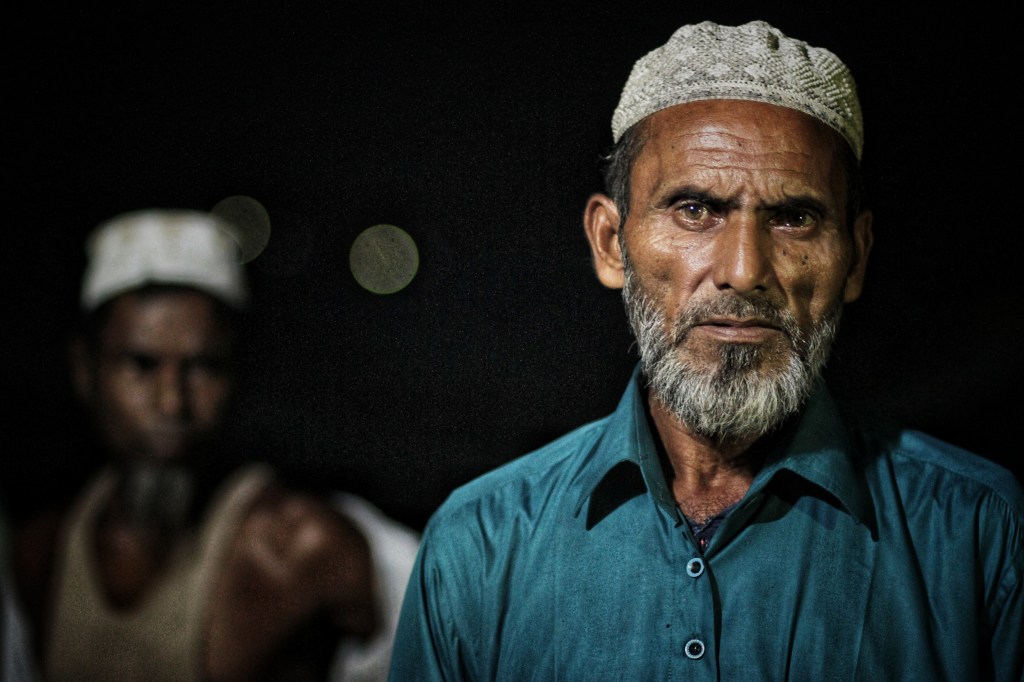
A Rohingya man in Refugee Camp, Cox’s Bazar, on August 24, 2018, captured by Sharif Khiam Ahmed.
By Newsman, Dhaka, Bangladesh
Recent findings from the United Nations (UN), along with new reports from Myanmar and Bangladeshi media, depict an increasingly urgent and unstable situation for the Rohingya people. Investigators indicate that safe and voluntary return to Myanmar is currently impossible due to ongoing violence and a lack of accountability.
Human rights organizations are calling for the complete restoration of Rohingya citizenship and greater representation in upcoming UN discussions. Meanwhile, Bangladeshi authorities have reported heightened tensions at the border and new instances of displacement amid renewed fighting in Rakhine State.
“The more than one million Rohingya forcibly displaced to Bangladesh will not be able to safely and sustainably return to Myanmar until the violence against them ends,” said Nicholas Koumjian, “and perpetrators can be brought to justice.” Koumjian, the Head of the Independent Investigative Mechanism for Myanmar, will participate in the Stakeholders’ Dialogue on the Rohingya Situation in Cox’s Bazar, Bangladesh, on 24 and 25 August.
Bangladesh is hosting the dialogue aimed at the September UN conference. It will involve UN representatives and Rohingya advocates discussing protection, access, and accountability for past crimes.
“No one has yet been held accountable for these horrific crimes. When crimes go unpunished, this fuels more violence,” said Koumjian. “I consistently hear from Rohingya refugees that they want to return to their homes in Myanmar, but only when it is safe to do so.” He claimed, “The loss of their land and property has destroyed the social and cultural fabric of the Rohingya communities, and it is an enduring aspect of the loss they have suffered.”
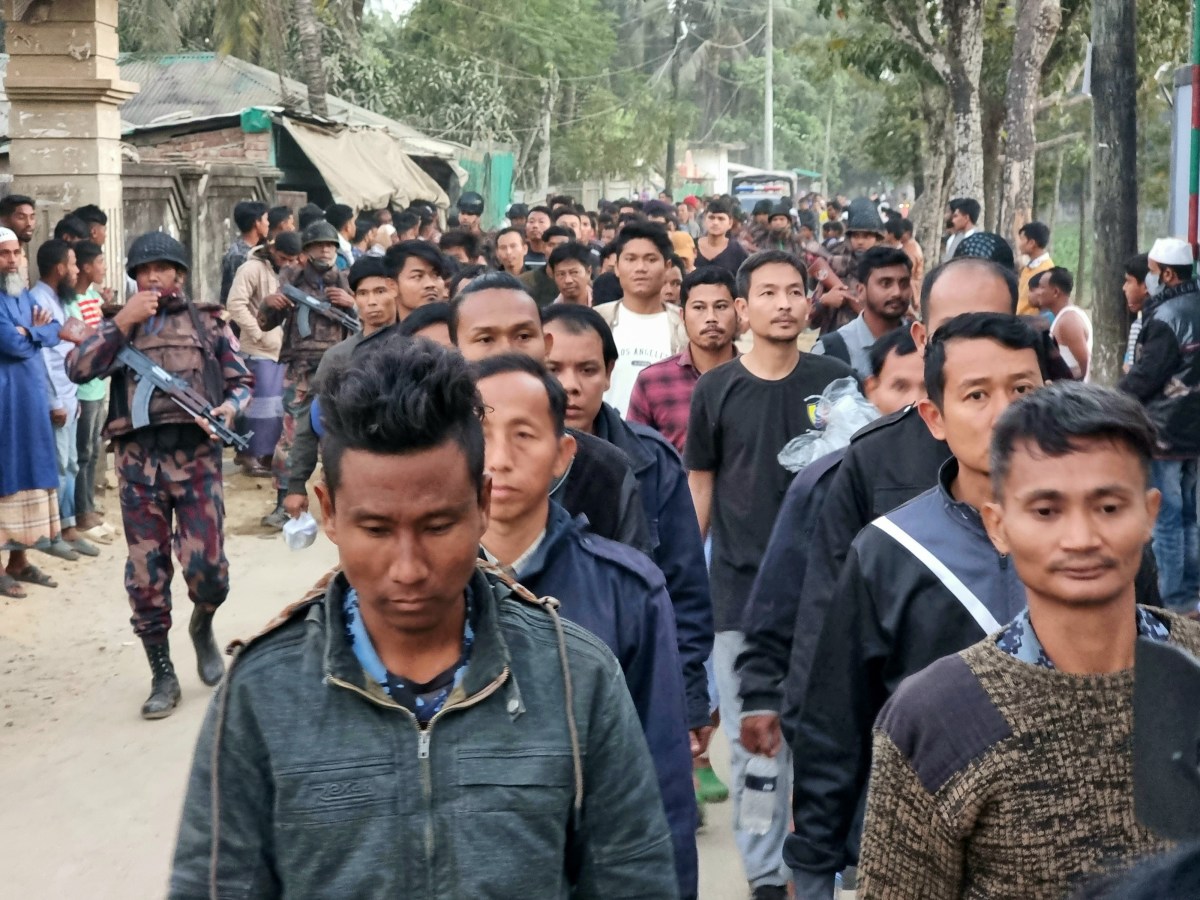
Dhaka and Beijing Advocate the AA’s Role in Rakhine Peace
The rebels became crucial for the Rohingya’s repatriation.

The Mechanism said in the August 21 report that it has opened new investigations into village burnings, killings, torture, and sexual violence, and is gathering evidence that has already supported ICC and national proceedings. Koumjian added, “This investigation not only reveals the scale and impact of the clearance operations but will also likely be very relevant for issues of reparations in future judicial proceedings.” They are also investigating the destruction and dispossession of Rohingya land in 2017, particularly land taken by authorities for security bases.
The Mechanism is sharing information and evidence with authorities investigating ongoing Rohingya cases at the International Criminal Court (ICC), the International Court of Justice (ICJ), and in Argentina, while also responding to requests from the United Kingdom. The ICC Prosecutor relied on evidence from the Mechanism to request an arrest warrant for Min Aung Hlaing, Commander-in-Chief of the Myanmar military, in November 2024. The Investigative Judge also referenced this evidence when the Argentine Federal District Court issued arrest warrants for Min Aung Hlaing and 24 others in February of this year.
They also reported that roughly 150,000 Rohingya have fled into Bangladesh since mid-2024 amid renewed hostilities in northern Rakhine.
“Both the military and the Arakan Army have committed and continue to commit serious atrocity crimes against the Rohingya with impunity — in flagrant violation of international law, including the provisional measures ordered by the International Court of Justice,” said the spokesperson for the UN Human Rights Office at the UN bi-weekly press briefing in Geneva on August 22.

Rohingya Voices Amplified at the Cox’s Bazar Conference
“We became refugees unwillingly. We never wanted this life.”
The UN Human Rights Office called for ending impunity in the violence against the Rohingya people in Myanmar and ensuring their rights to security, citizenship, and equality. “Ending impunity and ensuring the Rohingya’s rights to security, citizenship, and equality are essential for breaking the cycle of violence,” said Laurence.
Since November 2023, the human rights and humanitarian situation in Rakhine has sharply deteriorated, further deepening the already life-threatening conditions faced by the Rohingya. “Amidst a global funding crisis, Rohingya in both Myanmar and Bangladesh are enduring dire conditions compounded by drastic cuts to food assistance,” he added.
UNHCR’s updates on Rohingya boat arrivals in Indonesia highlight the regional aspect of the crisis, noting recent irregular arrivals and the strain on response systems in and outside Bangladesh. The updates emphasize the growing protection and humanitarian needs as displacement patterns change.
Rights groups in Myanmar are united in their demands ahead of the UN’s High-Level Conference on minorities on September 30. They are calling for the restoration of Rohingya citizenship and the inclusion of Rohingya representatives in discussions about their future. A coalition of some 58 Myanmar NGOs, including groups aligned with international rights networks, said the conference must prioritize accountability, economic and political rights, and return of citizenship as non-negotiable prerequisites for any repatriation.
On the ground in Bangladesh, security forces have been placed on heightened alert after repeated reports of cross-border gunfire and attempted crossings from Myanmar’s Teknaf border area.
The Border Guard Bangladesh (BGB) reported on August 23 that they are on high alert due to clashes in Rakhine and infiltration attempts. Journalists noted renewed gunfire, with small groups of Rohingya trying to cross into Bangladesh recently. Authorities state that the increased pressure has led Bangladeshi agencies to enhance their patrols and contingency planning.
Bangladeshi reports and humanitarian sources indicate new population movements in Myanmar ahead of repatriation meetings, with some Rohingya families in northern Rakhine fleeing due to fears of violence or forced relocations. These displacements, alongside aid shortages and restrictions in Rakhine, emphasize the urgent need for humanitarian assistance and lasting, justice-focused solutions.

 One-man Newsroom
Leave a comment