

Collaged by One-man Newsroom
By Sharif Khiam Ahmed, Dhaka, Bangladesh
Islamabad described Deputy Prime Minister and Foreign Minister Senator Mohammad Ishaq Dar’s two-day Dhaka visit as a “historic” reset of relations. However, the trip was marred by a dispute over the events of 1971, highlighting a serious gap between diplomatic goals and public sentiment that could slow normalization efforts.
On August 24, after talks with Bangladesh’s Foreign Affairs Adviser, Md. Touhid Hossain in Dhaka, Dar told reporters, regarding the unresolved 1971 issues, they would like to emphasize that both countries first settled the matter in 1974.
“The document from that time is historic for both nations,” Dar added. “Later, General Pervez Musharraf came here [to Bangladesh] and openly and candidly resolved the matter.”
Bangladesh firmly disagrees with the characterization that disputes are resolved, according to Touhid Hossain. He outlined ongoing issues: a formal apology for the 1971 atrocities by Pakistani forces, claims over pre-independence state assets, and the legal status of stranded Pakistani citizens.
“We have raised all three unresolved issues, and they have presented theirs. We have agreed to resolve them to advance our bilateral relations further,” Touhid told after the meeting.
For many Bangladeshis, the 1971 war is a key trauma in their nation’s history. Survivors and victims’ families seek accountability, truth, and reparations. Any claim from Islamabad that this issue is “settled” could lead to public anger and mass scrutiny in Dhaka.
It indicates that Pakistan’s proactive agenda, trade, connectivity, and institutional cooperation conflict with Bangladesh’s view that Islamabad must prioritize historical accountability.
Until Dhaka’s core demands, particularly a credible, public acknowledgment of the suffering of 1971 and clarity on asset-related claims, are addressed in a way acceptable to Bangladesh’s political class and victims’ groups, the diplomatic thaw will remain fragile.
Even where Pakistan points to past exchanges as a de facto closure, Dhaka’s demands for explicit, public acknowledgment and remedies are politically non-negotiable for large constituencies.
Pakistan’s approach is overtly pragmatic: institutionalise ties, widen trade, resume transport links, and expand people-to-people contacts — moves Islamabad argues will create mutual gains and reduce friction.
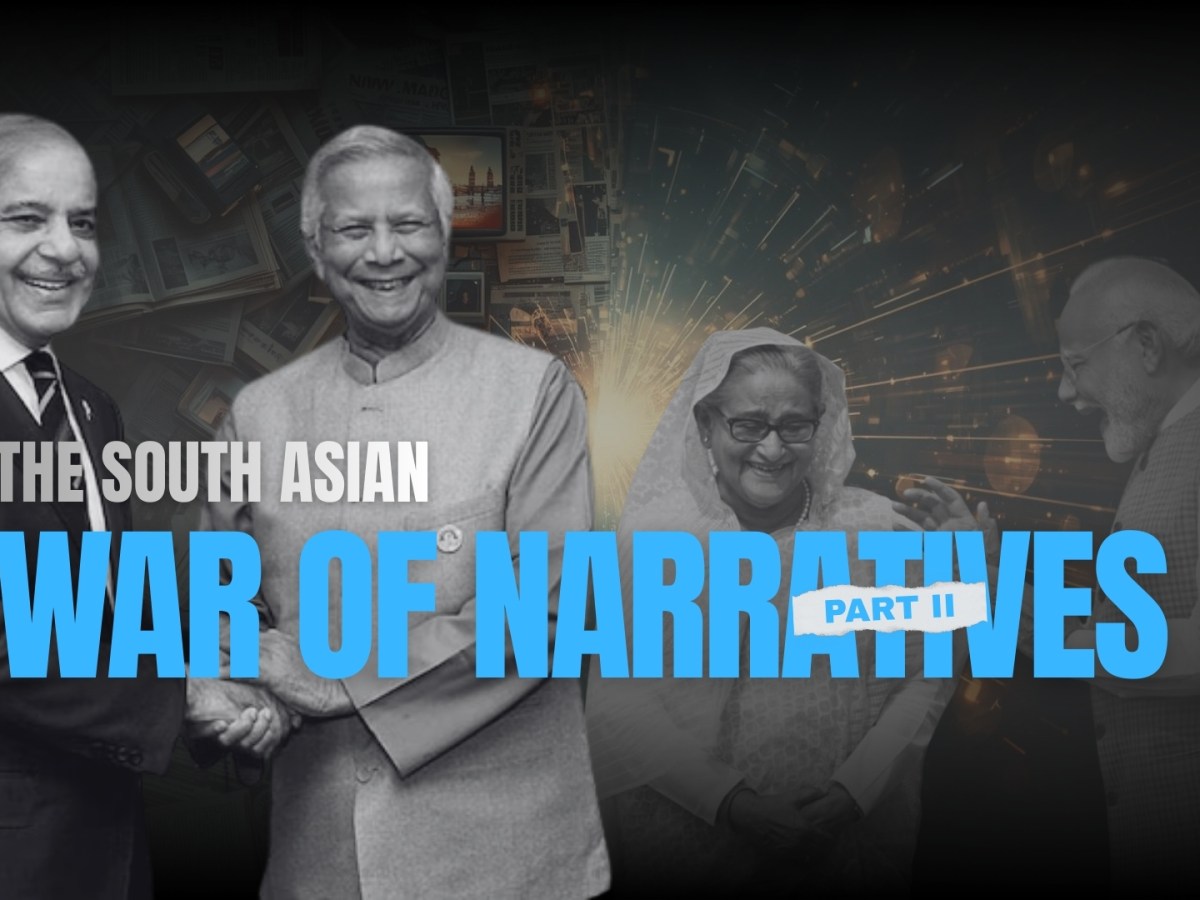
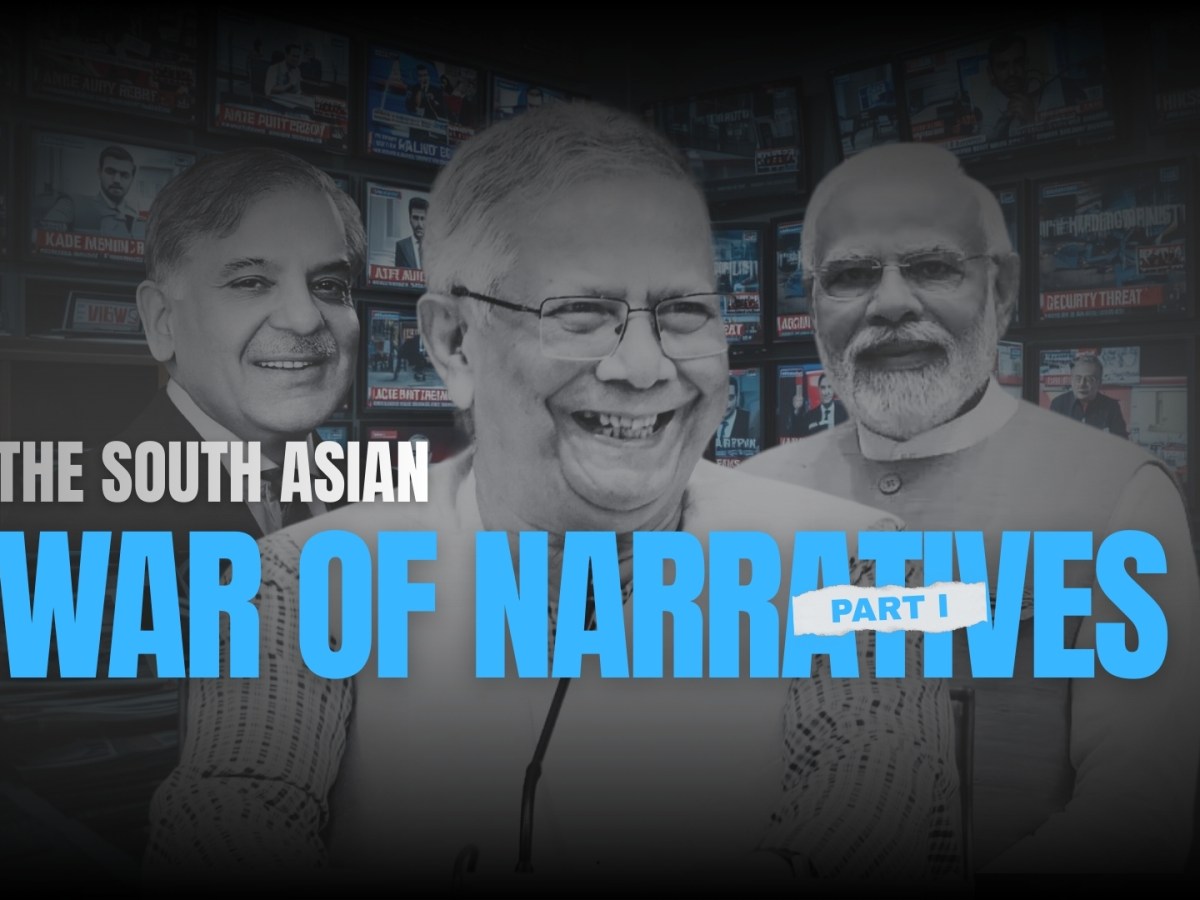
Pakistan has called the foreign minister’s first visit to Bangladesh in 13 years a “significant milestone” in bilateral relations, according to Dawn.
The visit produced tangible agreements: both governments oversaw the signing of six instruments, including a visa-abolition agreement for diplomatic and official passport holders, a Joint Working Group MoU on trade, MoUs between foreign service academies and think-tanks, and a media cooperation pact between the Associated Press of Pakistan (APP) and Bangladesh Sangbad Sangstha (BSS), along with a cultural exchange programme and a Pakistan-Bangladesh “Knowledge Corridor” offering scholarships.
Islamabad pitched these as institutional steps to anchor a pragmatic relationship. Yet the MoUs’ practical promise underlines the political limit; formal instruments can foster trade, scholarship, and transport links, but they do not substitute for an agreed political account of 1971 that would satisfy domestic constituencies in Bangladesh.
Touhid and other Bangladeshi officials state that the visit’s significance will depend on two factors: the success of economic and cultural commitments and the resolution of wartime issues. Until a satisfactory political solution is found, the memory of 1971 will continue to dominate Bangladesh’s relations with Pakistan.

Collaged by One-man Newsroom
In Dhaka, Dar engaged with various groups, including the Bangladesh Nationalist Party (BNP), Jamaat-e-Islami, and the National Citizen Party (NCP), building meaningful connections throughout Dhaka’s vibrant political community. Among these parties, Jamaat opposed the breakup of Pakistan to establish Bangladesh in 1971, Al Jazeera mentioned.
Islamabad’s meetings aim to expand its dialogue; however, they raise concerns in Dhaka about who will influence the narrative of 1971. Many in Bangladesh worry that engaging with groups deemed hostile to their dominant historical memory could hinder any progress towards resolving historical disputes.
Al Jazeera wrote, “Relations between Dhaka and Islamabad have been easing since a mass uprising in Bangladesh ousted Sheikh Hasina as prime minister last August, prompting her to flee to New Delhi. Hasina was considered more pro-India.”
Both governments pledged working groups and follow-up mechanisms to implement the pacts and to continue talks on unresolved matters. Officials from both capitals said they would pursue implementation through joint working groups and ongoing discussions.
As a Dhaka-based newsman, I believe that the success of any high-level visit between Bangladesh and Pakistan will depend not only on the signing of MoUs and scholarships, but also on both parties creating clear and defensible language and processes related to the 1971 events that resonate with their respective publics.
Mujibism Under Scrutiny: A New Era in Bangladesh
50 years after Sheikh Mujibur Rahman’s assassination.


 One-man Newsroom
Leave a comment