

On July 17, 2024, during the vibrant July Uprising, fearless journalists were on the frontlines.
By Newsman, Dhaka, Bangladesh
ARTICLE 19, the international free-speech organization, is calling on Bangladesh’s interim government (IG) to enact a robust data protection law that prioritizes human rights.
This urgent plea coincides with a day when the International Federation of Journalists (IFJ), alarmed by escalating threats to press freedom, spotlighted the tragic death of a veteran journalist this week.
On August 26, ARTICLE 19 issued a warning that the draft 2025 Data Protection Ordinance could potentially be used as “a tool for surveillance and censorship” unless it is revised to include clear safeguards for human rights.
“Affirming the right to freedom of expression in all data governance processes, ensuring that data protection is not weaponised to suppress journalism, public criticism, or civil society advocacy,” ARTICLE 19 says.
“Any restrictions on rights must be lawful, necessary and proportionate,” ARTICLE 19 urges the Government of Bangladesh to create a data protection regime that respects rights, safeguards individuals, and fosters an open digital environment for all.
Vague legal terms such as “public interest” and expansive national-security exemptions, ARTICLE 19 says, must be clarified to prevent misuse. The organisation also urged participatory rule-making that includes civil society, technical experts, and affected communities.
The appeal for legal safeguards comes amid mounting alarm over journalists’ safety.
“The death of veteran journalist Bibhuranjan Sarkar underscores the broader attack on freedom of expression and decline of independent journalism amid a culture of fear and intimidation in Bangladesh,” Anthony Bellanger, IFJ General Secretary, said.
“The IFJ urges the interim government to uphold its commitment to the security of media workers and ensure journalists can fulfil their duties without fear of suppression or retribution,” he added.
The IFJ reported on August 26 that veteran reporter Bibhuranjan Sarkar was found dead in the Meghna River in Munshiganj after days of reported intimidation connected to critical coverage.
IFJ, working with its local affiliate the Bangladesh Manobadhikar Sangbadik Forum (BMSF), has called for an independent judicial inquiry and urged authorities to protect media workers from harassment and reprisals.
Sarkar’s death follows several recent violent incidents targeting journalists, including the August 7 stabbing of Md Asaduzzaman Tuhin and the June killing of Khandaker Shah Alam, incidents the IFJ says reflect a deepening culture of impunity.
In an open letter published just days before his death, Sarkar described “living by writing the truth” as increasingly perilous and detailed, sustained pressure and professional precarity.
Together, the ARTICLE-19 and IFJ statements frame a linked challenge: legal reforms that fail to protect privacy and expression risk empowering the very mechanisms that silence dissent and endanger journalists.
Rights defenders are calling on Bangladesh’s authorities to pause, consult widely, and redesign the draft ordinance so it strengthens, rather than undermines, both digital rights and press freedom.
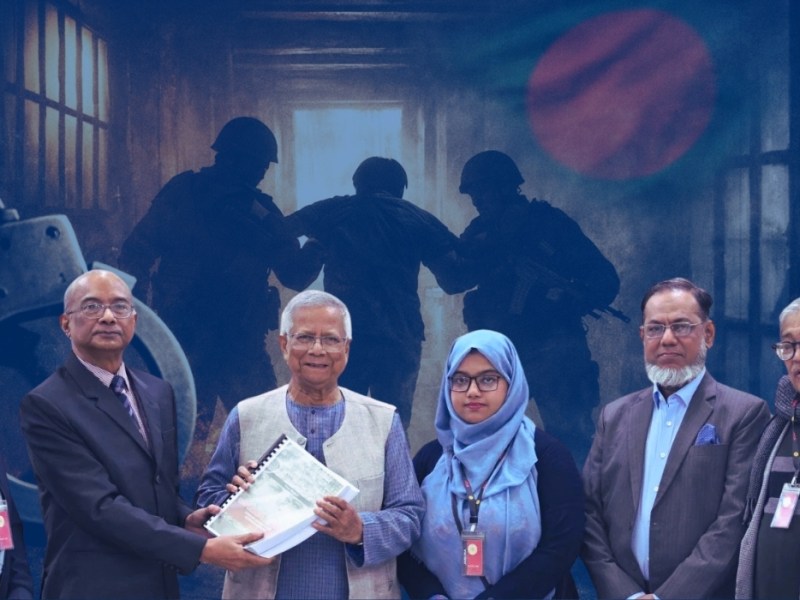
Bangladesh: Where the State Erased Its Critics
Enforced disappearances were systematic and politically motivated.

 One-man Newsroom
Leave a comment