

Photo: Screengrab
By Sharif Khiam Ahmed, Dhaka, Bangladesh
A layoff unexpectedly transformed my approach to journalism, igniting a passion that drives me to explore new horizons. Despite the challenges, I can’t stop writing. Each word is a step in my journey, providing opportunities to connect and inspire.
Losing my salaried job broke my financial stability, yes. But it also broke my dependence on institutions to validate my work. Independence means I’m often overwhelmed and underpaid. But it also means I’m reporting exactly the way I want; boldly, urgently, without waiting for permission.
It pushed me out of traditional journalism and into a more agile, global approach that aligns with the urgent issues in Bangladesh today. What I saw as an ending became a new beginning, highlighting my vulnerability and the necessity to create new structures to keep these stories alive.
In early 2025, I received the email no journalist ever wants; my position at BenarNews, the affiliate of Radio Free Asia , was being eliminated. Not because of any failure of my reporting. Not because of misconduct. But because the Trump administration had slashed funding for the US Agency for Global Media (USAGM), it forced sweeping layoffs across RFA and VOA.
I remember staring at my laptop long after reading the email, struggling to grasp how political decisions made in Washington could erase years of reporting from Dhaka. It felt as if a door had shut suddenly and unjustly. However, reflecting on that experience, the layoff did not end my journalism career; it transformed it.
Working for an international outlet in Bangladesh was never merely prestige; it offered a form of protection. International visibility changes the stakes: you are still at risk, but there is a buffer. Under Sheikh Hasina’s years in power, that buffer mattered. Independent reporting was hazardous, accreditation denials, website blocking, public smears, and constant pressure from security actors were daily realities. Yet BenarNews persisted in documenting human rights abuses, minority marginalization, and the Rohingya crisis when many local outlets fell silent.
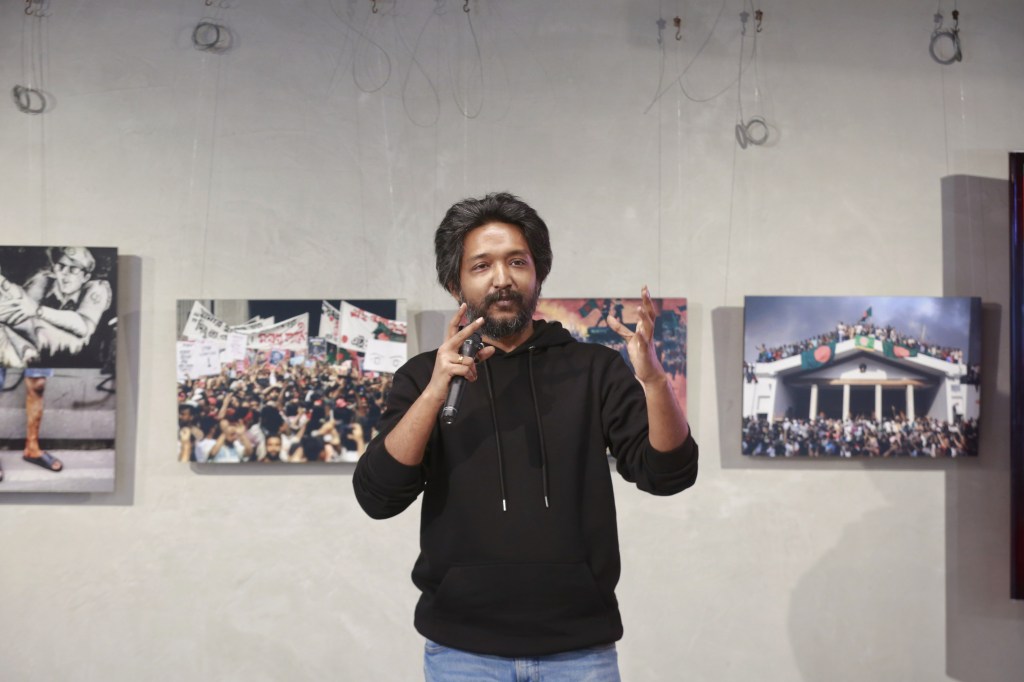
Suppose I single out one project from my BenarNews years that still shapes how I see my work. In that case, it is Memories of Home, a visual series I produced in 2022 with my colleague Abdur Rahman in Cox’s Bazar. We lived and worked among Rohingya communities for months. I learned their songs and watched women stitch family histories into cloth; I documented foodways, lullabies, and small rituals that carried memory and dignity amid displacement. That series taught me something essential: culture is often the most transparent lens into grief and resilience.
Now I have several unpublished projects that I’ve developed over the years. Despite completing fieldwork and collecting strong materials such as interviews, documents, and footage, the market for in-depth reporting from Bangladesh has declined. Editors are cautious and avoid risk, while independent contributors often face obstacles. It’s frustrating to see essential pieces trapped in an “unplaced” folder.
I’m not discouraged by my current situation; it has helped me focus on what matters to me. I love long-form journalism for its attention to detail and in-depth exploration of subjects. If an editor accepts my work, great; but if not, I’ll share my story on my website, in a documentary, or as part of a book. That’s my commitment to myself.
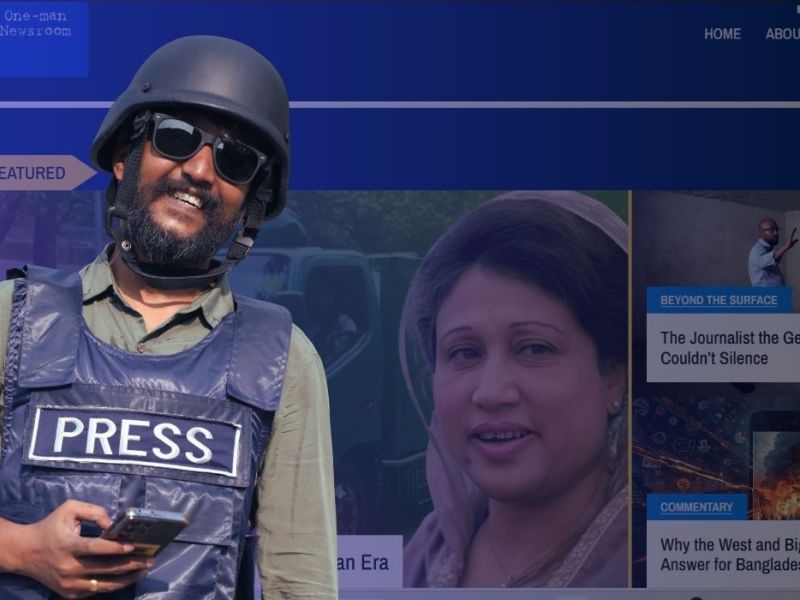
In February 2025, I launched a three-year pilot program called the One-man Newsroom . This initiative focuses on ad-free, independent journalism, producing multimedia content while promoting transparent editorial practices.

Protect Privacy, Protect Press Freedom: Rights Groups Warn
Will Bangladesh’s Data Law Shield Citizens—or Silence Critics?

The initiative is non-commercial and depends on personal investments and institutional donations, with no brand sponsorships or advertising. The funding model ensures editorial independence but comes with uncertainty. I am pursuing grants, fellowships, and co-production partnerships with outlets that are prepared to take carefully documented, risk-aware investigations.
Running a solo newsroom involves managing all aspects of the operation, including reporting, filming, editing, publishing, fundraising, and legal considerations. The pilot phase is both a media development experiment and a publishing initiative. It focuses on reporting while also prioritizing media literacy and transparent correction practices to improve the information ecosystem. The project will mentor emerging journalists, commission reports from upazilas and marginalized communities, and publish a range of text and multimedia content.
The shutdown of foreign bureaus and ongoing funding issues have weakened media capacity at a time when Bangladesh is producing critical global stories, such as secret detentions, human rights abuses, India-China tensions, and the Rohingya crisis. A small, agile news operation can respond on time, take necessary editorial risks, and share local stories that might otherwise remain untold.
I will keep producing longform investigations and features; I am investing more in documentary filmmaking because film can sometimes carry evidentiary weight and emotional force that text alone cannot. I am also progressing on a book that frames recent political ruptures in Bangladesh within a regional context.
If you care about independent reporting, here’s what you need to know: I have gathered material, secured witnesses who are willing to speak, and collected photos and videos. I have the skill to verify facts and tell a clear story. The recent layoffs did not end my work; instead, they started what really matters. I will keep writing, filming, mentoring, and gathering necessary evidence, no matter how slowly the market changes. This work, and the people who rely on it, cannot afford anything less.
 One-man Newsroom
Leave a comment