
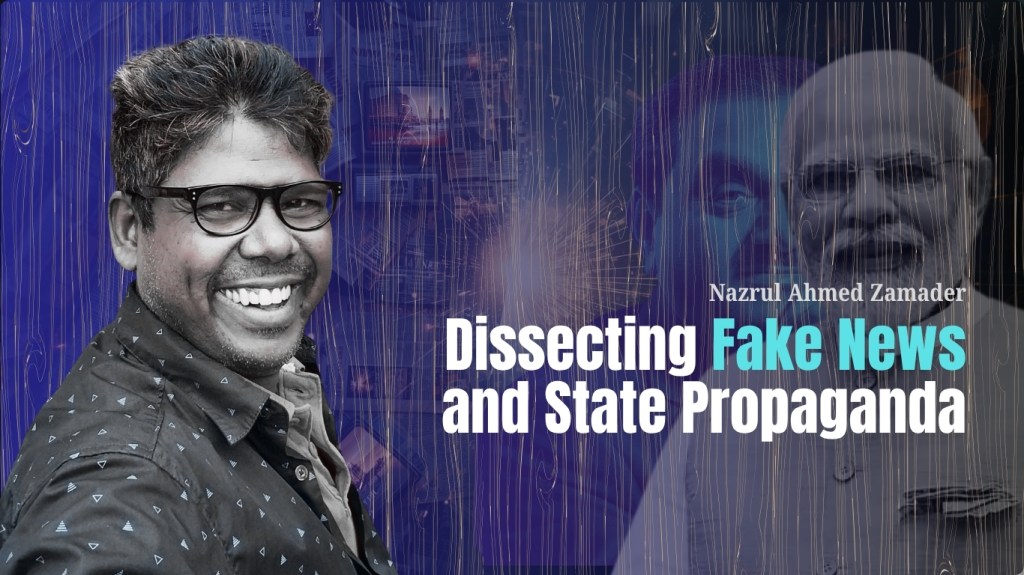
📷 One-man Newsroom Collage
French philosopher Jean Baudrillard once wrote, “It is no longer a question of imitation, nor duplication, nor even parody. It is a question of substituting the signs of the real for the real itself.” In today’s India, this idea feels more urgent than ever. The media is not just reporting events; it is manufacturing realities. What we often consume as “news” is not a reflection of the real world but a carefully crafted narrative that shapes how we see politics, society, and even ourselves. The overwhelming flood of manipulated information can be “media pollution.” Like environmental pollution, it spreads everywhere, contaminating our ability to distinguish truth from falsehood. In this polluted space, the imagined reality created by the media often becomes stronger, more persuasive, and more powerful than reality itself.
By invoking the concept of ‘media pollution,’ this article highlights the erosion of India’s democratic environment by a press that has abandoned its role as a safeguard. Traditionally celebrated as the “fourth pillar of democracy” and entrusted with the responsibility of shaping public opinion, the media today appears to have abandoned this role. Instead of nurturing democratic thought and critical consciousness, it increasingly contaminates the intellectual and cultural life of the citizenry.
This transformation became particularly visible after 2014, when the far-right Bharatiya Janata Party (BJP) rose to power. Since then, large sections of the Indian media have effectively functioned as propaganda machinery for the state. Their central task has shifted toward advancing political, economic, and cultural interests aligned with the ruling power, often in conjunction with dominant corporate agendas. Ordinary citizens find their grievances deliberately sidelined within this powerful nexus of state and corporate interests. Confronting this overwhelming media hegemony, the citizens of India are rendered almost helpless.
To understand how media pollution works in India, three key ideas are essential: propaganda, manufacturing consent, and hegemony. As James Watson and Anne Hill explain in their Dictionary of Media and Communication Studies, propaganda is the deliberate attempt to shape people’s thoughts, attitudes, and behaviors through symbols such as words, images, music, flags, or monuments. In short, propaganda is the intentional manipulation of public thought and belief through media and cultural messages.
Why Hasina’s fall is a Strategic Shock for India
The way Delhi lost its ‘only trusted neighbor.’
The American writer Walter Lippmann, in his 1922 book Public Opinion, showed that journalists often act as agents of propaganda. Instead of showing the full reality, they present fragments of events, which leads to the distortion of the truth. Similarly, political scientist Harold Lasswell explained that during times of economic crisis and political instability, the media tends to spread propaganda on behalf of powerful states.
It is highly relevant to today’s India, where unemployment is extremely high and political unrest is visible in Kashmir, Punjab, Bihar, the northeastern states, and West Bengal. The current BJP-led administration has fallen short of meeting the people’s expectations, focusing instead on the interests of a few large corporations. To mask these shortcomings, the mainstream media has increasingly functioned as a propaganda instrument for the government.
History also shows how propaganda works. Joseph Goebbels, the Nazi minister of propaganda, spread Hitler’s ideology by repeating lies until people accepted them as truth. In modern times, the most influential explanation of propaganda comes from Edward S. Herman and Noam Chomsky’s famous book, Manufacturing Consent: The Political Economy of the Mass Media. They argued that propaganda mainly serves the interests of political and economic elites. In this system, the state and media organizations operate like partners in a shared enterprise. They collaborate to shape public agreement and maintain their dominant control over society.
The idea of “manufacturing consent” was first introduced by Walter Lippmann in his influential book Public Opinion. Decades later, Edward S. Herman and Noam Chomsky used the phrase in their landmark study, Manufacturing Consent: The Political Economy of the Mass Media. The concept describes how the ruling elite controls and filters news to persuade the masses to accept ideas and policies that serve elite interests. In simple terms, it means shaping people’s opinions and beliefs so that they agree with what the ruling class wants.
Classical Marxism described hegemony as a political and economic dominance. But Italian Marxist thinker Antonio Gramsci added another layer: cultural hegemony. He argued that ruling classes also try to impose their culture and values on society to maintain control. To achieve this, they rely on institutions such as schools, religion, and especially the media.
Louis Althusser, a French Marxist philosopher, categorized such organizations as ‘ideological state apparatuses.’ According to him, these entities serve to influence human consciousness and facilitate the dissemination of the state’s ideology. In India, this is very clear. The state uses the media to push its ideological agenda of “Hindi, Hindu, Hindustan” across the country. Instead of functioning as an autonomous entity, the media has increasingly been co-opted as a tool and now functions to broadcast and reinforce the government’s ideological narrative.
Herman and Chomsky explained that the media does not just inform—it works to create public agreement, or ‘consent,’ for policies and decisions that benefit the powerful. It often misleads ordinary people and manipulates them into believing things that do not actually serve their interests. Marxist thinkers, from Engels to the Frankfurt School, described this as ‘false consciousness.’ In short, these three elements, propaganda, manufactured consent, and cultural hegemony, are all strategically related to one another. Propaganda is the method that produces consent, and that consent allows the ruling class to maintain its hegemony.
The BJP and its parent body, the RSS (Rashtriya Swayamsevak Sangh), draw their core ideology from militant Hindu nationalism. It stems from V. D. Savarkar’s 1923 formulation of ‘Hindutva,’ where Hindus are those who saw Bharat (India) as both their ‘pitribhumi’ (fatherland) and ‘punyabhumi’ (holy land). By this definition, Muslims and Christians are ‘outsiders.’ Such thinking undermines India’s long tradition of pluralism, where people of diverse religions, languages, and communities have lived together, and directly threatens the constitutional values of secularism and democracy.
Over the past decade, the BJP has turned this ideology into populist politics, portraying Muslims as enemies of the majority, with mainstream and social media serving as amplifiers of this agenda. Here, the propaganda model of Herman and Chomsky becomes useful. They describe five filters through which media operate, the last being the ‘ideology of anti-communism.’ In the US, communism was the ultimate threat. In India, this filter has shifted to include not only the Left but also Muslims, with ‘Islamophobia’ emerging as the new dominant filter. It’s closely tied to anti-Pakistan rhetoric.
How Bangladesh Became a Campaign Issue in India
Hasina’s fall and the BJP’s Bengal calculus.
How Corporate Capital is Shaping a Regional Crisis
Adani, Cricket, and the India–Bangladesh Power Play.
The recent India-Pakistan conflict exposed how television and social media became stages for fake news, doctored videos, and nationalist hysteria. After the conflict, Frontline, one of India’s leading progressive magazines, published an article titled “The war was televised, but the truth did not make the cut.” Journalist Saba Naqvi wrote:
“But by far the most disturbing aspect of the latest conflict between India and Pakistan was that in both nations the war did not take place just in the skies or on the ground but was staged on TV screens in a frenzy of fake images, manipulated videos, and hysterical hashtags. We saw clips of aerial dogfights that never took place. From across the border came very real-looking images of an Indian woman pilot parachuting down and surrendering. After two days of speculation over the identity of the pilot, a Reuters fact-check revealed the clip to be fake.”
During that time, social media was rife with claims like “Karachi is being destroyed” or “Balochistan is becoming independent.” Posts even declared, “Welcome to the new nation of Balochistan.” All of this poisoned the minds of ordinary Indians, spreading what we may call media pollution. On the other hand, progressive and secular-minded citizens—who oppose war and believe it only harms common people on both sides—felt anxious and distressed in this polluted media environment.
In India, the media has played a central role in spreading ‘Islamophobia’ by manipulating religious language. Terms like ‘love jihad’ and ‘land jihad’ are widely used in news and social media to portray Muslims as a threat. For instance, when a Muslim man marries a Hindu woman, it is often framed as ‘love jihad’—a narrative that has taken deep root in public consciousness. Similarly, false claims that Muslims from Bangladesh are illegally settling in India have been labeled ‘land jihad.’ These narratives not only spread hatred but have also contributed to real violence against Muslims. Migrant Bengali-speaking workers in BJP-ruled states, for example, are often attacked and dismissed as ‘Bangladeshis.’ However, according to the 2011 Census, the decadal growth rate of Muslims has actually declined.
The mainstream media amplifies hate speech by BJP leaders, portraying Muslims as enemies of the majority community. During the anti-CAA and NRC protests in 2019-20, channels like Republic TV, Zee News, and Aaj Tak branded protesters as ‘anti-national.’ A notorious moment came when Union Minister Anurag Thakur led chants of “goli maaro saalon ko” (shoot the traitors), which the media repeatedly broadcast, fueling communal tensions that soon escalated into riots in Delhi. In the same way, the ‘Tablighi Jamaat’ gathering in Delhi during the COVID-19 pandemic scapegoated Muslims for the virus, giving rise to the ‘corona jihad’ narrative.
The 2021 farmers’ protests, which posed a major challenge to Prime Minister Narendra Modi, were discredited by mainstream media, with protesters labeled as ‘Khalistani.’ Left-wing groups face similar attacks, often branded as ‘anti-national’ or ‘agents of China.’ Universities like Jawaharlal Nehru University (JNU) and Jadavpur University (JU)—spaces known for critical thinking, pluralism, and left-progressive politics—are frequent targets. Media houses portray them as hubs of ‘Maoists,’ the ‘tukde-tukde-gang’ (the gang that wants to break India into pieces), or ‘dens of anarchy,’ attempting to undermine their intellectual and democratic traditions.
After the mass uprising in Bangladesh, the Indian media spread fake news and propaganda that created hostility against Bangladesh. When ISKCON’s former monk Chinmoy Krishna Das Brahmachari was arrested, tensions rose. Later, advocate Saiful Islam died in clashes. Channels like Republic Bangla, India Today Global, Zee News, and others falsely claimed that Saiful was Chinmoy’s lawyer and was killed for defending him. However, Indian fact-checker Alt News proved this wrong, clarifying that Chinmoy’s lawyer was Subhashis Sharma. In another instance, after Donald Trump won the US presidential election, Republic Bangla falsely reported that the chief adviser, Nobel laureate Muhammad Yunus, was leaving Bangladesh. In this way, people in India, especially in West Bengal, were deliberately misled.
Most major Indian media houses, such as Network 18, Zee News, Republic TV, and NDTV, maintain close ties with Prime Minister Narendra Modi and the BJP. Some even have direct links to the party. Alongside them, many social media platforms have emerged that reportedly operate with the BJP’s funding. A joint survey by Lokniti and the Centre for the Study of Developing Societies titled ‘Indian Media: Trends and Patterns’ revealed that 82 percent of journalists admitted their work conditions required them to serve the BJP’s interests. This strong alignment has severely damaged press freedom. India now ranks 151st out of 180 countries in the World Press Freedom Index.
Independent outlets such as The Wire, along with courageous journalists like Ravish Kumar and Dhruv Rathee, continue to uphold responsible journalism, but they face constant pressure. In a recent wave of censorship, several platforms scrubbed more than 130 videos and multiple posts targeting Gautam Adani, a business magnate closely allied with the Modi administration. It reflects what Herman and Chomsky described as the ‘fourth filter’—flak, meaning negative responses or punishment when the media challenges state or corporate power.
In such conditions, media hegemony in India has become extremely strong. Not only are opposition voices silenced, but ordinary citizens are also left helpless. The democratic space, what German philosopher Jürgen Habermas calls the ‘public sphere,’ is being corrupted by this media environment. As a result, people are steadily losing the ability to think critically and make informed decisions.
Writer: Ph.D. Scholar, Jadavpur University
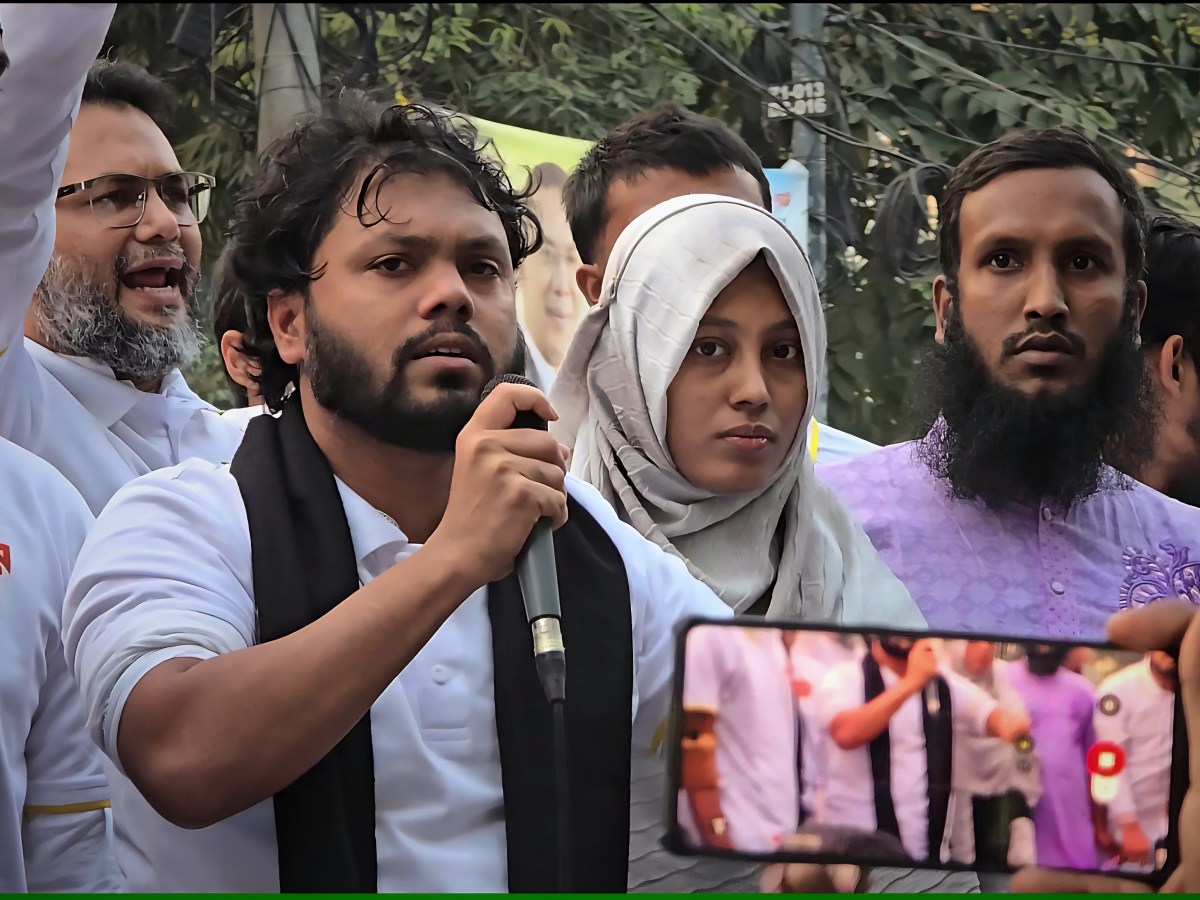
Key Suspects in Hadi Assassination Caught in India
West Bengal STF detained two near the border.

Trafficked by the State: From BD Cells to IND Custody
COIED exposed the hidden agreements that cost lives.
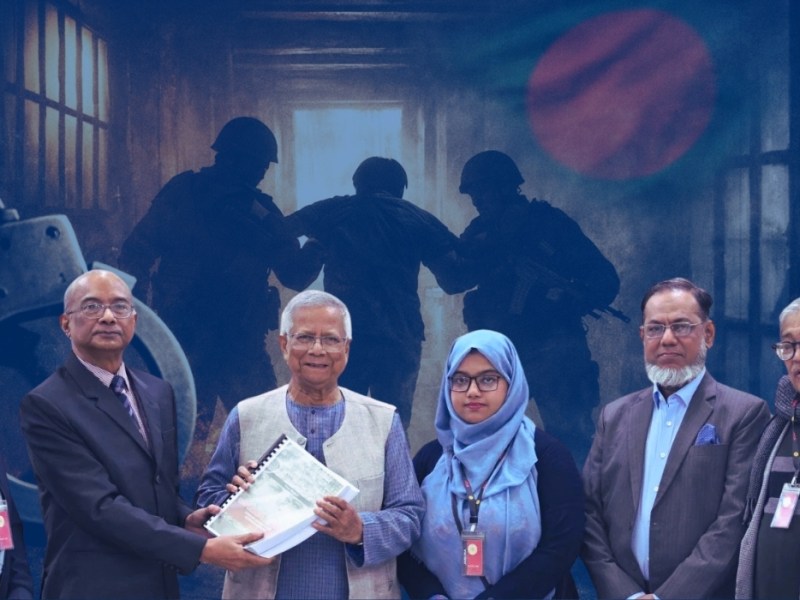
Bangladesh: Where the State Erased Its Critics
Enforced disappearances were systematic and politically motivated.
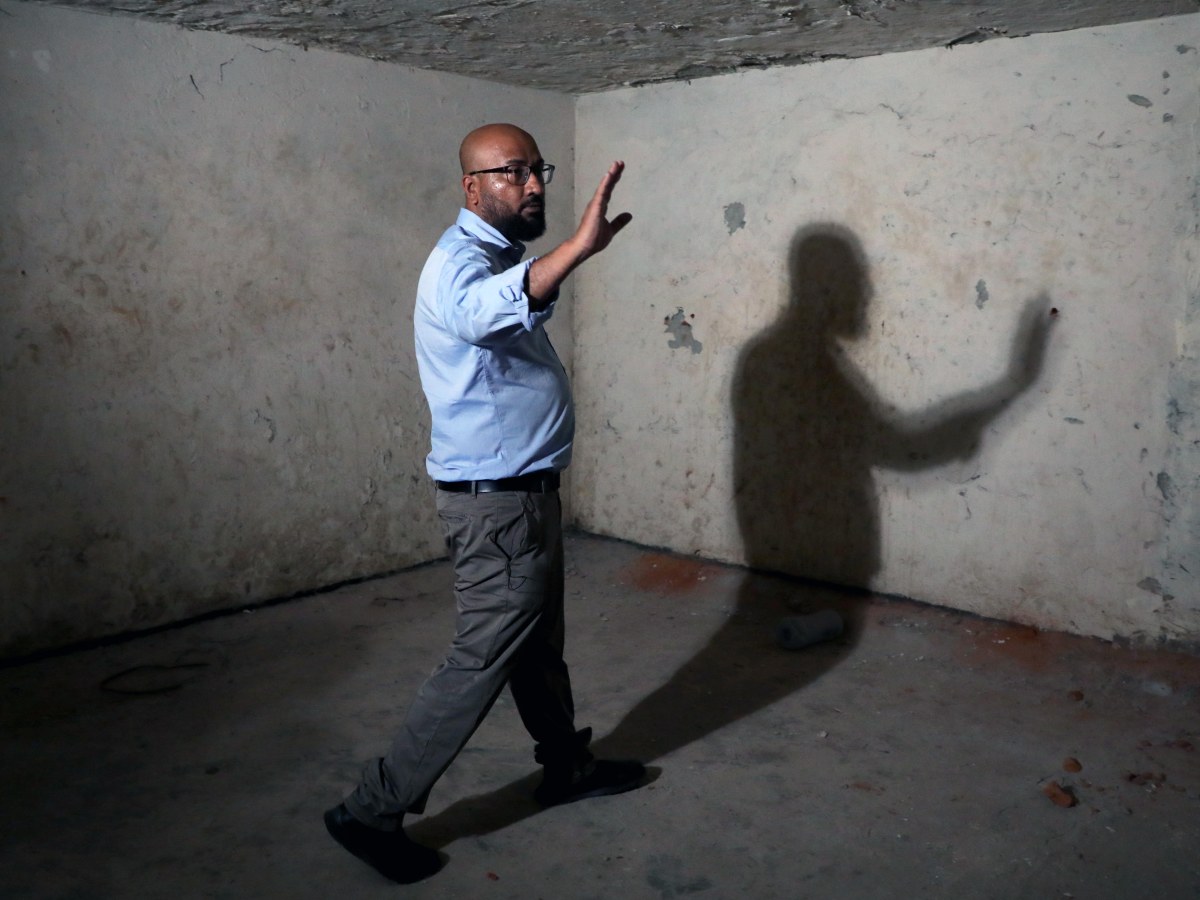
The Journalist the Generals Couldn’t Silence
From torture and exile to exposing Bangladesh’s military deep state.
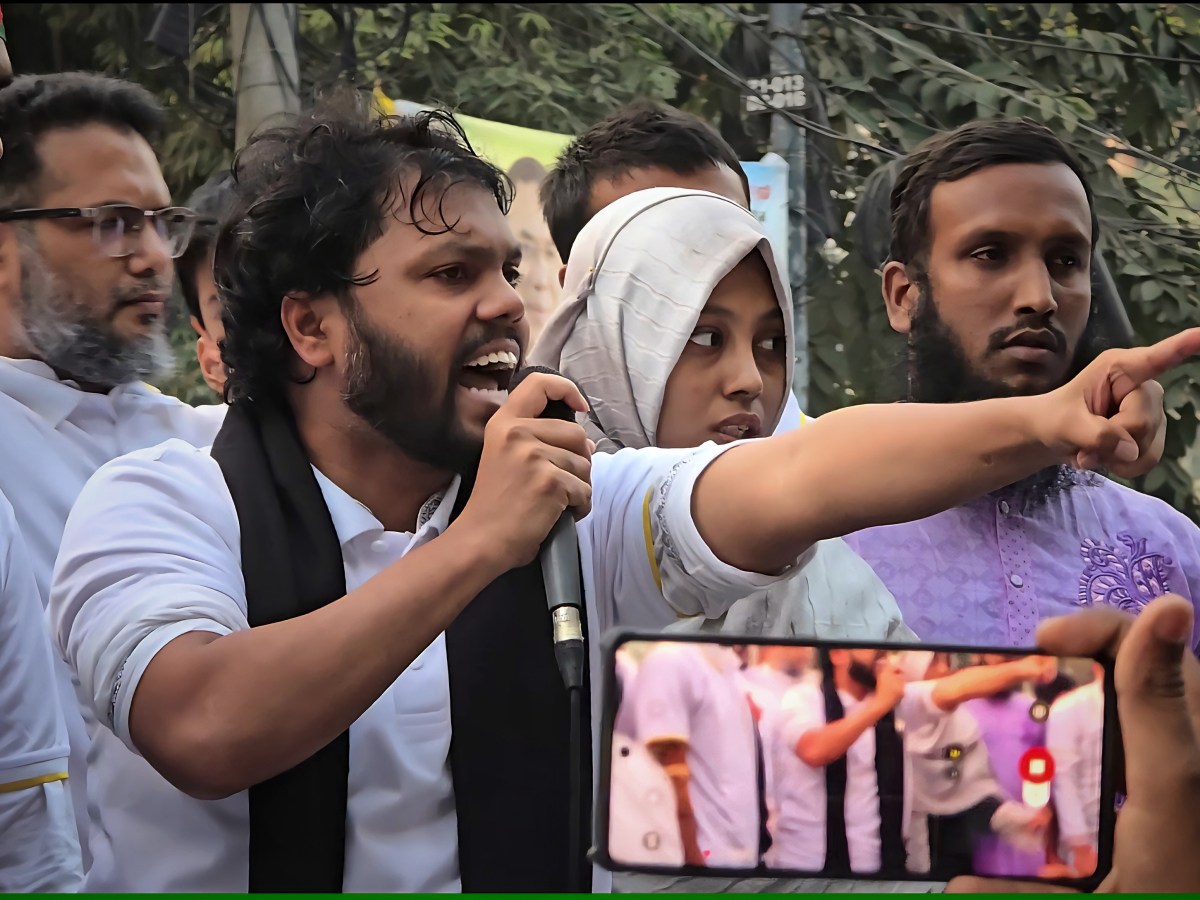
Killing of Anti-India Leader Deepens Dhaka–Delhi Rift
The death that changed Bangladesh’s political weather.
Arms Trafficking Disrupted: BGB Arrests Indians
Officials seize gun, ammunition from truck.
 One-man Newsroom
Leave a comment