
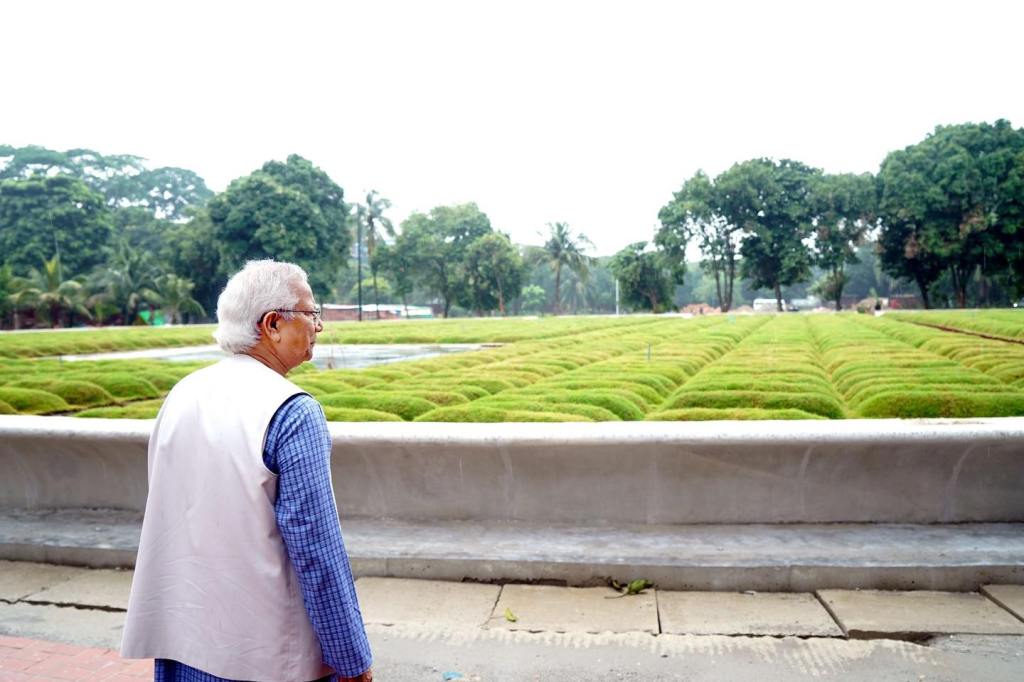
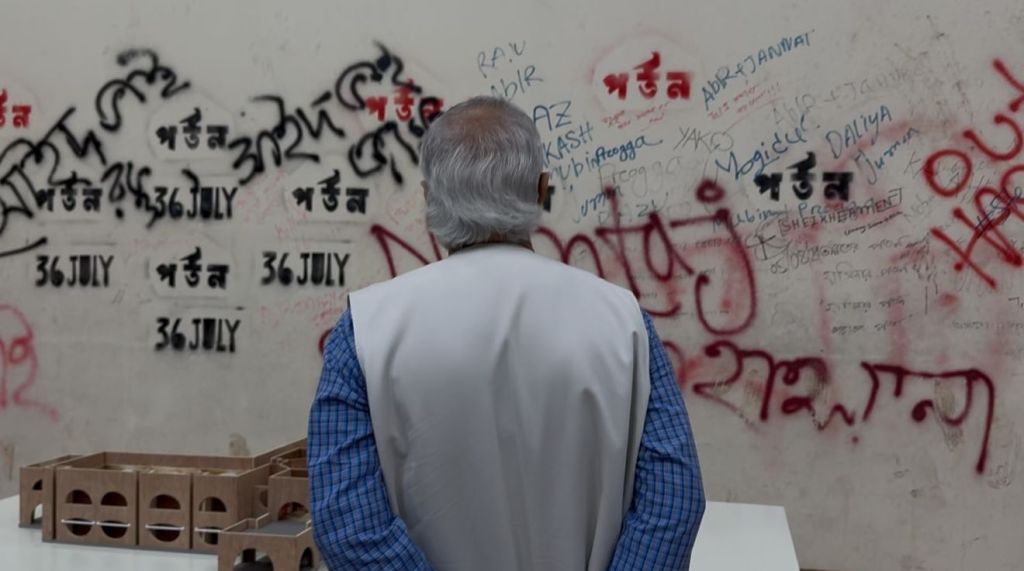
Chief Adviser Professor Muhammad Yunus, the first Nobel Peace Prize winner to lead Bangladesh’s Government, stands at the former residence of ex-Prime Minister Sheikh Hasina, now a museum honoring the July Uprising. Dhaka, August 5, 2025. Photo: Chief Adviser GOB
As Professor Muhammad Yunus takes on the role of chief adviser, making history as the first Nobel Peace Prize winner to lead Bangladesh’s Interim Government (IG), there is growing fear about the unchecked human rights abuses.
Despite reform efforts, international watchdogs have criticized the IG’s failure to restore law and order, control mob violence, and political unrest.
On August 13, 2025, the US Department of State’s “2024 Country Reports on Human Rights Practices: Bangladesh” noted that despite the interim administration’s efforts for accountability, serious rights issues persist for minorities and indigenous communities.
The IG is falling short in implementing its challenging human rights agenda, Human Rights Watch (HRW) warns on July 30, 2025. Local watchdogs also paint an equally grim picture.
According to Bangladesh’s leading NGO, Ain o Salish Kendra (ASK), at least 111 people were killed in mob violence, specifically lynchings and mob beatings, across the country from January to early August 2025.
Earlier, in a March 2025 statement, the Human Rights Support Society (HRSS) revealed that from August 2024 to February 2025, mob lynchings resulted in 119 deaths and 74 injuries across 114 incidents during the IG’s first seven months.
Notably, 2024 marked the deadliest year for mob violence in the past decade, with 201 reported incidents, 179 deaths, and 88 injuries.
Odhikar, another rights group in Dhaka, published its last monitoring report on July 24, 2025, which mentioned a total of 233 political violence deaths since August 2024, 72 people killed between April and June, and 108 individuals beaten to death in total, 19 during April–June.
Key findings indicate 29 extrajudicial killings between August 2024 and June 2025, with eight occurring from April to June. There were also 61 deaths in custody, including 22 from April to June.
“No one is in any doubt that Yunus’s interim government faces enormous challenges,” said Meenakshi Ganguly, deputy Asia director at HRW. She believes that IG needs to do more now to ensure a real and lasting change in the human rights situation of Bangladesh.
This South Asian country’s human rights situation became highly contentious after mass student-led protests in mid-2024 toppled the longtime Awami League (AL) government and installed an interim administration.
Specifically, mob violence emerges as a dire and persistent threat. The spike in lynchings, coupled with a lack of accountability, fuels fear widely, especially among the young, highlighting a critical failure in governance and public security under the current regime.
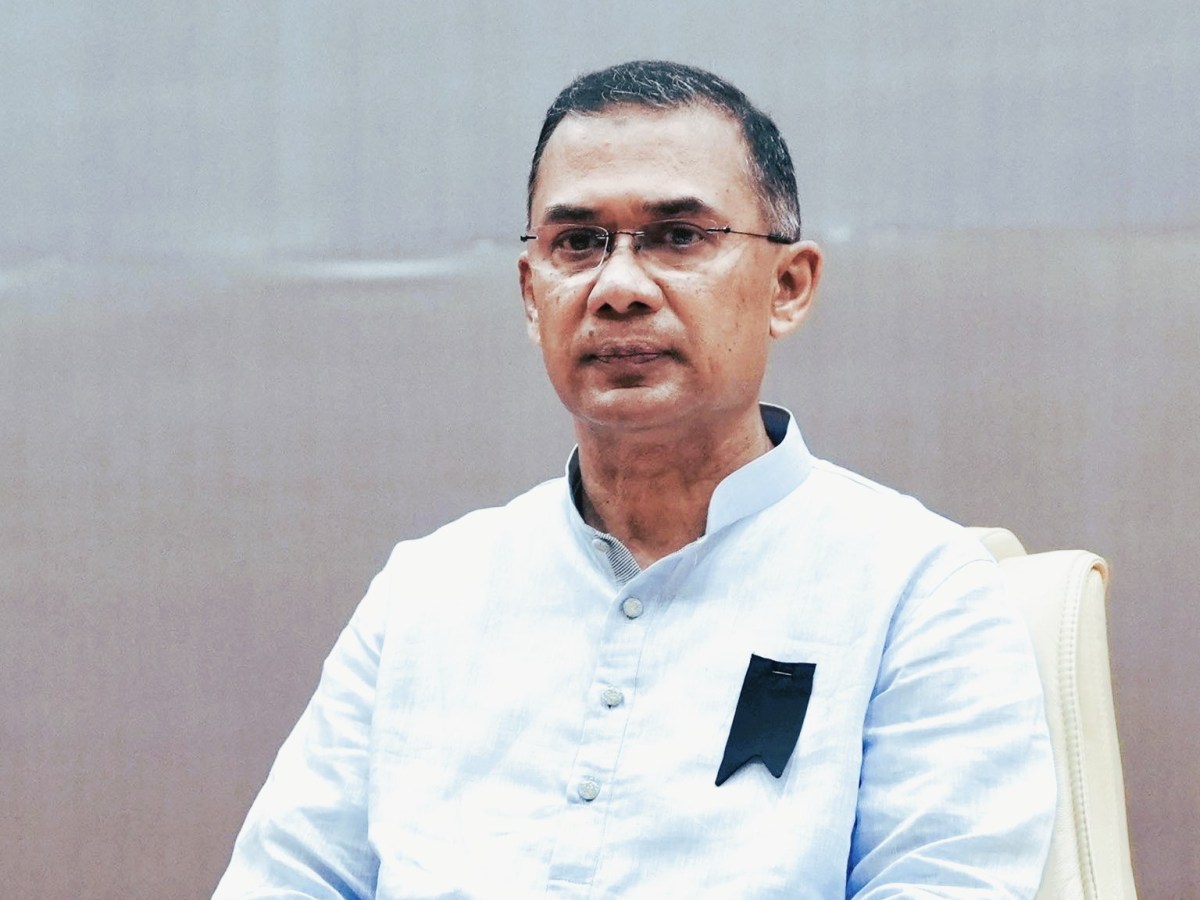
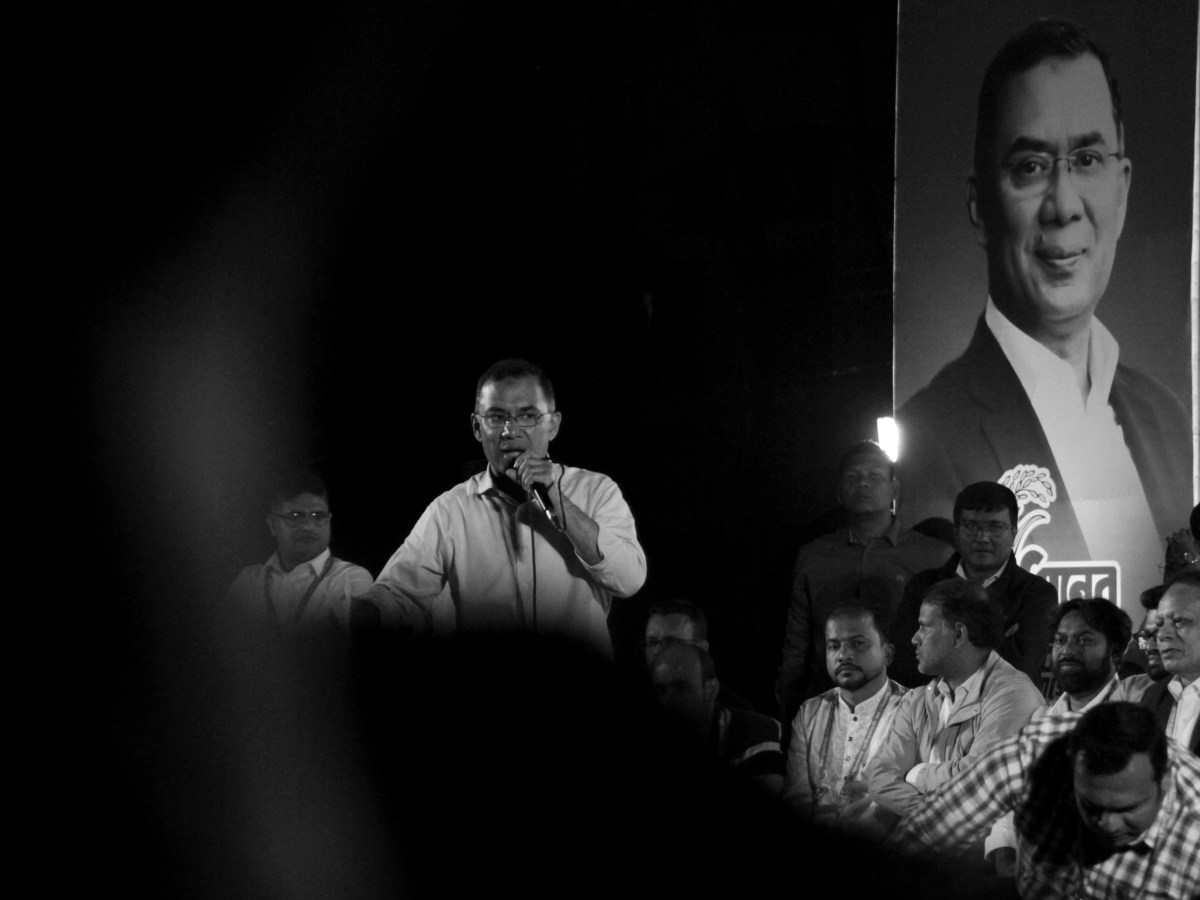
A South Asian Network on Economic Modeling (SANEM) youth survey reveals that 71.5% of young people in Bangladesh perceive mob violence as on the rise and say it has a significant impact on their daily lives.
In an August 7, 2025, statement, ASK warned that the IG has “failed to meet people’s expectations” and that human rights abuses are persisting amid worsening law and order. This local watchdog reported ongoing arbitrary arrests, custodial deaths, and extrajudicial killings similar to those of the previous regime.
On August 4, 2025, the Transparency International Bangladesh (TIB) report also reveals that despite the downfall of the old regime, autocratic systems remain. Political violence is alarmingly high, with new actors using similar tactics.
TIB mentioned that the IG has formed 11 reform commissions in areas like the judiciary, media, and anti-corruption. Still, their goals are unclear due to the absence of a public implementation plan. Additionally, there is a lack of representation from minority groups.
Amnesty International‘s recent statement, released on August 12, 2025, titled “Bangladesh: Interim Government’s Actions Inconsistent with July Declaration,” criticizes the IG for failing to uphold its commitments, particularly concerning legal accountability for the rights violations that led to the 2024 uprising.
Although the government established 11 reform commissions, it has demonstrated “no clear progress” in implementing reforms in the rule of law and justice sector, Amnesty said.
Outset Prime Minister Sheikh Hasina fled Bangladesh on August 5, 2024, following five weeks of protests in which security forces killed 1,400 people, according to the UN.
Their fact-finding report found “reasonable grounds to believe” that security forces and ruling-party affiliates systematically carried out hundreds of extrajudicial killings, widespread arbitrary arrests and detentions, and torture during the July Uprising.
The IG led by Yunus, a Nobel laureate, was established on August 8. One year in, Bangladesh stands at a crossroads: will it prove capable of securing the rule of law and inclusive politics, or will polls become the latest façade of a deeply fractured state?
In a televised address marking the 2024 uprising anniversary, Muhammad Yunus announced that national elections will take place before Ramadan in February 2026. He highlighted his commitment to democratic reform amid escalating political tensions.
But we all know, a credible election requires more than ballots—it demands safety, inclusive dialogue, and accountability for past abuses. To date, neither international monitoring nor domestic watchdogs sees evidence that the IG has built the foundations for genuine democracy. Instead, reports show that space for dissent has shrunk, and minorities remain vulnerable.
HRW’s World Report 2025 notes that, even after Sheikh Hasina‘s ouster, police and paramilitaries have returned to abusive practices, such as using live fire on protesters, making arbitrary complaints against opposition supporters and journalists, and targeting religious and ethnic minorities without proper investigations.
A Moneycontrol editorial described the past year as one of “rage without resolution,” warning that Bangladesh remains at a dangerous political crossroads. The history of liberation, the dynamics of political change, and the active engagement of civil society have influenced the evolution of human rights in Bangladesh.
The IG, using broad powers under an amended Anti-Terrorism Act, imposed a “temporary” ban on all activities supporting the former ruling party until its leaders face trial.
Hundreds of criminal proceedings—many over murder, state violence, corruption, and subversion—have piled up against Sheikh Hasina personally (over 150 criminal cases in the public record, including ICT referrals).
Thousands more party executives and activists—ranging from central committee to ward-level cadres—face cases due to student‑protest deaths, alleged police killings, or anti-government mobilization.
“Political parties, whose members have been victims of rights violations in the past, should support reforms to ensure that such crimes can never recur and support rights protections for all,” Meenakshi added.
On July 30, HRW added, From August 6 to September 25, 2024, police charged 92,486 people, primarily for murder, including nearly 400 AL officials in over 1,170 cases. Former North Dhaka mayor Mohammad Atiqul Islam has been detained since October 2024 for 68 murder-related cases, with many incidents occurring while he was abroad.
From July 2024 to June 2025, the Anti‑Corruption Commission (ACC) filed 399 separate cases involving over 1,000 individuals, around 44 of whom were prominent AL MPs, ministers, and family members. These cases range from illegal land grabs to money laundering in significant projects, showcasing the breadth of the legal challenges facing the party.
A special police operation launched on February 1, 2025, known as “Operation Devil Hunt”, has arrested 245 AL supporters in Chattogram and 11,313 across the country. These individuals are all facing charges like anti‑state activity, weapons possession, and communal violence, as part of a widespread crackdown on the party’s activities.
Civil society groups have expressed alarm over selective enforcement and controversial crackdowns like Devil Hunt, which targeted opposition figures and dissenters.
On July 16, 2025, violence in Gopalganj involving security forces and supporters of the now-banned Awami League led to five deaths following a rally by the National Citizens Party (NCP), formed by students from last year’s popular movement.
Police detained hundreds of alleged AL supporters and filed ten murder cases against over 8,400 mostly unnamed individuals. At the same time, the government denied conducting “mass arrests.”
“The IG appears stuck, juggling an unreformed security sector, sometimes violent religious hardliners, and political groups that seem more focused on extracting vengeance on Hasina’s supporters than protecting Bangladeshis’ rights,” Meenakshi Ganguly said.
A field mission of ASK to Gopalganj in late July found that security forces opened fire indiscriminately, killing five villagers without conducting post‑mortems or allowing families to appeal burial orders.
Arbitrarily arrested over 50 people, including 18 children, and filed mass lawsuits against more than 5,000 accused under anti‑terrorism and special‑powers statutes. ASK’s findings confirm that “law and order” operations have devolved into collective punishment.
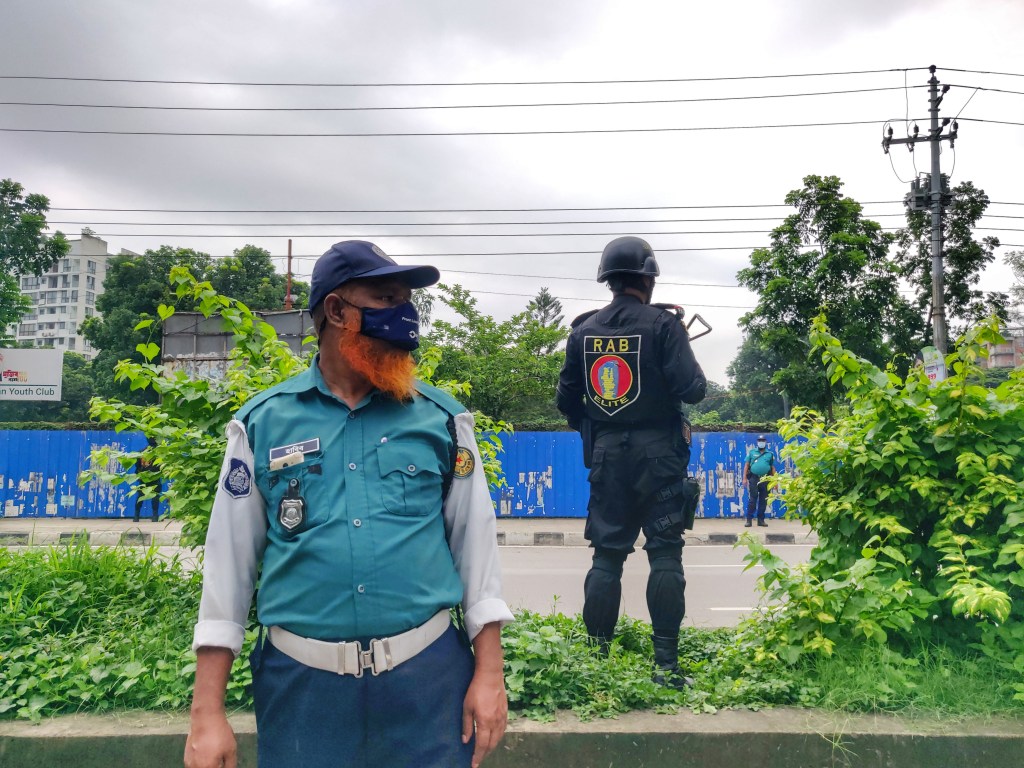
HRW calls for ending arbitrary detentions, prosecuting security‐force perpetrators, including disbanding the Rapid Action Battalion (RAB), ensuring judicial independence, and guaranteeing full participation of women and minorities in decision-making.
UN human rights experts in a July 2025 report urged Bangladesh to address enforced disappearances from the past decade fully. A UN Working Group noted that many perpetrators remain in the security forces, and survivors fear reprisals.
They recommended urgent measures, including vetting of personnel (to keep them off UN Peacekeeping), witness protection, and also disbanding abusive units like the paramilitary RAB.
The experts welcomed Bangladesh’s ratification of the UN Disappearances Convention and the IG’s inquiry commission (covering 1,850 cases). Still, they warned of intimidation of victims and flaws in the draft disappearance legislation.
A coalition of international human rights groups, including Amnesty International, Fortify Rights, HRW, and Robert F. Kennedy Human Rights, urged the government to extend the mandate of Bangladesh’s Commission of Inquiry on Enforced Disappearances until at least December 31, 2025.
As of mid‑June, the Commission had received over 1,850 complaints and was investigating more than 1,350 cases. The groups warned on June 15, 2025, that allowing the mandate to expire prematurely would disrupt investigations into past systematic disappearances, according to Robert F. Kennedy Human Rights.
Instead, reports show that space for dissent has shrunk, and minorities remain vulnerable. In its 2025 Annual Report, the US Commission on International Religious Freedom (USCIRF) warns of rising religious tensions and laws used to silence critics.
Its follow-up Factsheet documents violence against students and minorities during last year’s protests. ASK’s 2024 report logs over 128 mob lynchings and 147 targeted attacks on minorities during the student uprising.
The August 7, 2025, statement from ASK also noted an increase in attacks on religious minorities: Hindus, Christians, and other ethnic groups have faced organized mobs and threats, often under allegations of blasphemy, with impunity.
The Bangladesh Hindu Buddhist Christian Unity Council (BHBCUC) recorded 2,442 incidents of violence against religious and ethnic minorities that occurred between August 4, 2024, and June 30, 2025.
Manindra Kumar Nath, acting general secretary of the BHBCUC, has stated that the worst period was between August 4 and August 20, 2024, when 2,100 incidents were recorded, including 1,769 communal attacks.
USCIRF’s flagship release highlights a surge in mob violence against Hindus, Christians, and Buddhists—incidents of temple vandalism, arson, and street attacks—often carried out with impunity by local actors even as police stood by.
The USCIRF has pointed out that Bangladesh’s legal framework, especially the Cyber Security Act and blasphemy laws, is being used to suppress dissent and criminalize offensive speech. The arrest of poet Sohel Hasan Galib in February 2025 for allegedly offending Islamic sentiments drew significant criticism.
USCIRF warned that those twin moves, the “legal uncertainties” around the AL and the “reinstatement” of Jamaat-e-Islami, risk fueling further communal tensions, since both parties are deeply associated with competing religious and political constituencies. They emphasized that the future of religious freedom hinges on whether the IG implements inclusive reforms and prevents electoral violence.
Earlier, in March 2025, Christian Solidarity International (CSI) told the UN Human Rights Council that over 1,090 attacks on religious minorities occurred in just six months. Dr. Joel Veldkamp, CSI’s Director of Public Advocacy, delivered an oral statement at the UN Human Rights Council, warning of increased violence and persecution of Christians, Hindus, and Buddhists.
They noted spurious charges against minority group leaders and arrests without bail, citing Islamist groups like Jamaat‑e‑Islami and Hizb ut‑Tahrir as key perpetrators of the attacks.
The UK government’s June 2025 “Country Policy and Information Note“ on religious minorities notes “instances of sporadic communal violence… resulting in deaths, injuries, assaults and property damage,” particularly tied to the August 2024 unrest, though it does not quantify them precisely.
HRW mentioned, on July 26 and 27, a mob damaged at least 14 homes belonging to members of the Hindu minority in Rangpur district, and there are continuing violations against minority communities in the Chittagong Hill Tracts.
In September 2024, mobs attacked villages in the Chittagong Hill Tracts, killing at least four members of the Indigenous Jumma community and injuring dozens more. The violence arose from rumors of an attack on a settler.
The Parbatya Chattagram Jana Sanghati Samiti (PCJSS), representing indigenous Hill Tracts communities, released a mid-year report (Jan–Jun 2025) noting virtually no progress on the 1997 CHT Peace Accord under the interim Government.
PCJSS documented 103 human rights incidents from Jan to Jun 2025 in the Chittagong Hill Tracts, affecting 315 tribal (Jumma) people.
Despite the political differences between the United Peoples Democratic Front (UPDF) and the PCJSS, both agree on the persistence of militarization, land grabbing, settler attacks, and state repression. Both cite “Operation Uttaran” (Operation Upliftment) as central to ongoing violations in their annual human rights report.
Local political parties and rights groups have condemned human rights abuses in the Chittagong Hill Tracts and are now united in opposing the reported torture of the Bawm people during security operations against the Kuki-Chin National Front (KNF).
As the IG celebrates its first anniversary, doubts persist about its ability to ensure free and fair elections. The past year has seen a worsening human rights crisis, marked by the persecution of minorities and ongoing mob violence, undermining the credibility of the electoral process.
On July 30, 2025, during the “July Commemoration Event: Implementation of UN Fact-Finding Mission’s Report Recommendation,” held at the Inter-Continental Hotel in Dhaka, CA, Muhammad Yunus articulated that the IG is diligently working to foster a broad national consensus aimed at establishing a renewed political framework that facilitates inclusive, participatory, and credible elections.
He emphasized ongoing legal accountability for those responsible for gross human‑rights violations during the July uprising. He insisted that justice is not just punishment, but preventing state power from ever again suppressing or destroying its people.
Bangladesh and the Office of the United Nations High Commissioner for Human Rights (OHCHR) signed a 3-year Memorandum of Understanding (MoU) to open an OHCHR mission in Bangladesh on July 18, 2025.
Radical Islamist groups, like Hefazat-e-Islam Bangladesh, have strongly criticized a recent mission, viewing it as a threat to national sovereignty and Islamic values. Leaders such as Maulana Mamunul Haque and Shah Muhibullah Babunagari have threatened “bloody resistance,” accusing the OHCHR of advancing a “Western agenda,” notably in terms of LGBT rights, and meddling with Islamic family law.
OHCHR said the mission will “support the promotion and protection of human rights” in the country. The Bangladesh government publicly confirmed the MoU in a press statement and social posts.
According to the Chief Adviser’s Office (CAO), the OHCHR office will help Bangladesh meet its domestic and international obligations via capacity‑building and legal support, while explicitly working “within the legal, cultural and religious framework of Bangladesh”.
The CAO also noted it retains sovereign authority to withdraw from the agreement if it no longer serves national interests.
On July 20, 2025, UN officials welcomed the MoU signing as a key commitment to human rights during the country’s transition. The UN mission emphasizes respect for Bangladesh’s cultural and religious context while remaining apolitical.
Unless Dhaka acts swiftly to protect minorities, prosecute perpetrators of violence, and address allegations of power abuse, next year’s vote risks becoming a hollow exercise rather than the promised rebirth of Bangladeshi politics.
About the Author:
Sharif Khiam Ahmed is a journalist and the founder of One-man Newsroom, an independent platform focused on delivering in-depth coverage of Bangladesh and the Global South.
How Corporate Capital is Shaping a Regional Crisis
Adani, Cricket, and the India–Bangladesh Power Play.


 One-man Newsroom
Leave a comment