
📷 Newman Collage
Newsman, Dhaka
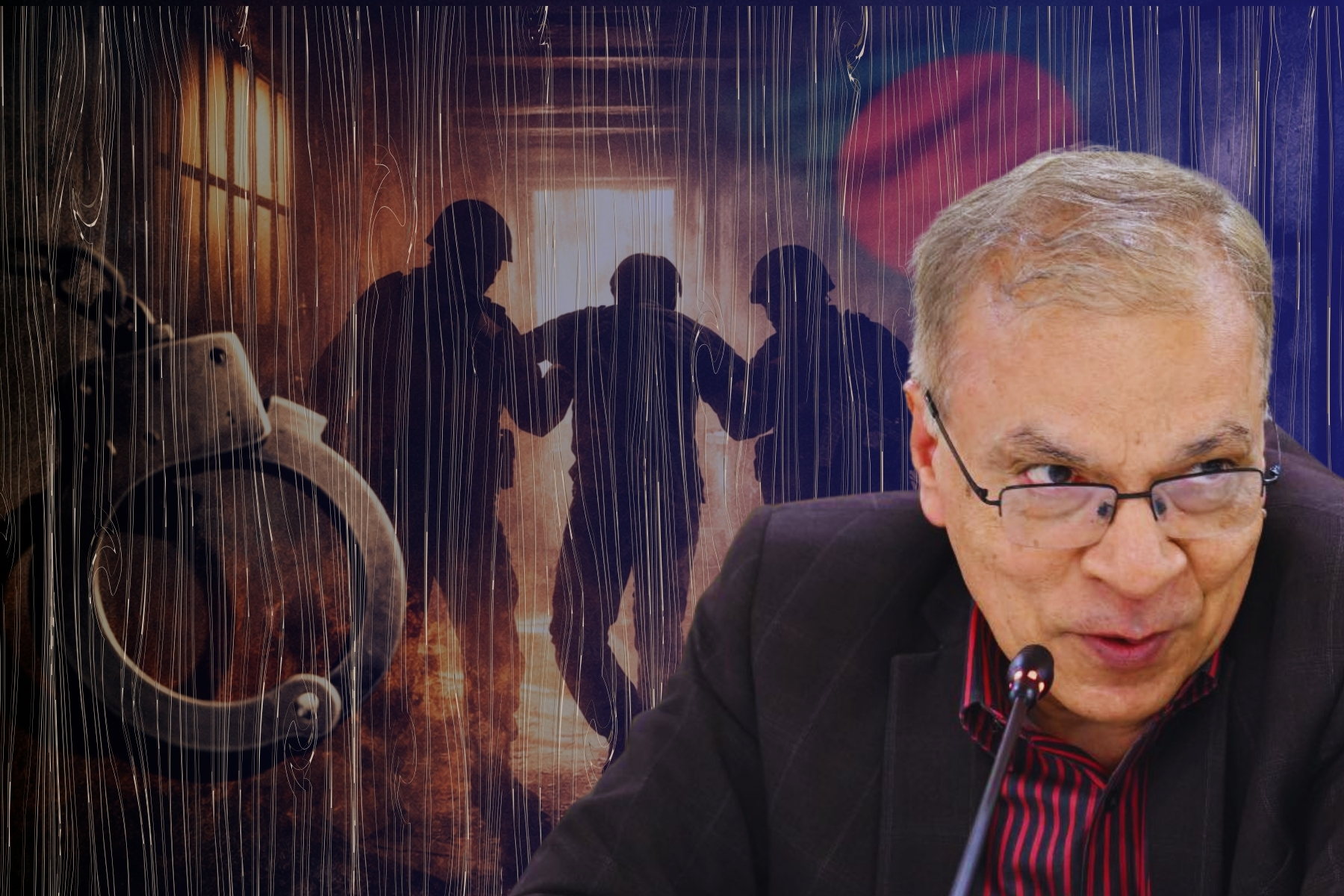
Transparency International Bangladesh (TIB) has expressed deep concern over the Cabinet’s in-principal approval of two draft laws, the National Human Rights Commission Act, 2026, and the Enforced Disappearance Prevention and Redress Act, 2026, saying key provisions could perpetuate a culture of impunity and undermine accountability for human rights violations.
The anti-corruption watchdog said the government had disregarded important observations and recommendations from key stakeholders, raising questions about whether the current administration had adequately learned from the severe human rights violations committed under the previous regime.
TIB welcomed some improvements in the drafts but warned that critical provisions weakening the National Human Rights Commission’s (NHRC) independence have been retained, potentially allowing state actors accused of enforced disappearances to escape accountability.
Government Dominance and Failure to Meet Global Standards
Addressing the proposed NHRC law, TIB Executive Director Dr. Iftekharuzzaman criticized the decision to retain controversial provisions from the National Human Rights Commission Act, 2009, particularly Section 18.
“In most cases, allegations of involvement in human rights violations have been made against agencies defined as law enforcement agencies. Yet, under the Cabinet-approved National Human Rights Commission Act, Section 18 of the 2009 Act has been copied exactly, which means the commission must rely on reports from the government or the heads of the respective forces in cases of human rights violations by law enforcement agencies,” Dr. Iftekharuzzaman said.
He said such restrictions had previously prevented the commission from effectively holding law enforcement agencies accountable and contributed to Bangladesh’s repeated failure to secure ‘A’ status under international human rights standards.
TIB also criticized the proposed composition of the NHRC selection committee, which includes the Speaker of Parliament, the Law Minister, the Home Minister, a ruling-party lawmaker and the Cabinet Secretary.
The organization said the proposed arrangement would give the government overwhelming influence over the appointment of commissioners.
The draft also fails to incorporate civil society demands for the mandatory inclusion of at least two women and at least one representative from an ethnic minority community among the five commissioners.
TIB further objected to provisions that allow up to 30 percent of NHRC staff positions to be filled by deputed government officials, as well as allowing serving government officials to serve as commissioners.
The organization said these provisions risk turning the commission into an extension of the government bureaucracy rather than an independent human rights institution.
“Is such a Human Rights Commission what the bloody July uprising aspired to? Is it not also completely contrary to the ruling party’s 31-point program and electoral manifesto?” Dr. Iftekharuzzaman asked.
Key Safeguards Removed, Raising Questions Over ‘Aynaghar’
TIB also expressed concern over the removal of several safeguards that had appeared in the initial draft prepared under the current administration.
Dr. Iftekharuzzaman pointed to a provision in the initial draft published on the Ministry of Law’s website that stated compliance with orders or instructions from the government or a superior authority could not be used as a defence against allegations of human rights violations.
He said the provision was subsequently dropped from the draft approved by the Cabinet.
TIB also expressed concern that military detention centres were excluded from provisions allowing the NHRC to conduct regular, unannounced inspections of places where individuals may be deprived of or have their rights restricted.
“Why is that? Should we then assume that the government supports retaining Aynaghar?” Dr. Iftekharuzzaman asked.
Enforced Disappearance Law Risks Embedding Impunity
TIB also expressed serious concern over the proposed Enforced Disappearance Prevention and Redress Act, 2026, particularly the decision to give the police sole authority to investigate enforced disappearance cases.
The organization noted that police personnel themselves have frequently been accused of involvement in enforced disappearances, creating an inherent conflict of interest when the same institution is given exclusive responsibility for investigating such allegations.
Dr. Iftekharuzzaman also questioned the proposed procedure for investigating allegations against senior officials.
Under the draft, he said, a junior investigating officer would be required to prepare and submit an interim report when a senior official is accused of involvement in an enforced disappearance.
If the junior officer’s report does not establish satisfactory evidence against the senior official, the competent magistrate could order the official’s discharge from the proceedings.
“How realistic is it to expect such a process to remain free from undue influence? Will this provision actually help prevent and redress enforced disappearances, or will it effectively ensure impunity for the crime of enforced disappearance?” he asked.
TIB also identified several other significant omissions from the draft.
The organization said the proposed legal definition of enforced disappearance does not explicitly cover elected representatives, ministers or high-ranking state officials, despite international standards and conventions addressing the responsibility of state authorities in such crimes.
TIB further noted that the Cabinet-approved draft removes monitoring powers contained in the Enforced Disappearances Prevention and Redress Ordinance, 2025, including provisions for unannounced inspections of secret detention centres, lock-ups and prisons.
TIB Calls for Revision Before Parliamentary Approval
TIB said people across the political spectrum have suffered from the absence of an independent national human rights institution and effective legal safeguards against enforced disappearance.
The organization urged the government to revise both draft laws before placing them before Parliament.
TIB called for recommendations from relevant stakeholders, stronger safeguards for institutional independence and accountability, and provisions consistent with the reform commitments associated with the July uprising.
It also urged the government to ensure that the proposed legislation reflects the commitments made in the ruling party’s 31-point programme and electoral manifesto before the bills proceed to Parliament for enactment.

A Voice from ‘Mayer Daak’ Moves Toward Parliament
BNP faces backlash over ex-AL figure; Jamaat nominates July martyr’s mother.

No Impunity for Enforced Disappearance: Law Minister
Tougher laws, no impunity, legal loopholes.

Bangladesh Intelligence Summons ‘Economist’ Contributor
The shadow of surveillance: threats disguised as ‘advice.’

Trafficked by the State: From BD Cells to IND Custody
COIED exposed the hidden agreements that cost lives.

Bangladesh: Where the State Erased Its Critics
Enforced disappearances were systematic and politically motivated.

The Journalist the Generals Couldn’t Silence
From torture and exile to exposing Bangladesh’s military deep state.
Leave a Reply